Quitting any job is a big decision, especially if it is your only source of income. A person should spend weeks or months before they try considering making the jump and make sure that it is the right thing to do for their career.
No matter what reason you may have regarding quitting your job – from feeling stuck with your job to feeling ready to make a big step-, you must have a plan before you actually quit the job.
Without any plan, leaving your job will be one stressful experience. By taking a step back and thinking things through, you can leave on the best terms possible while making sure your finances are ok and make the next steps easier for you once you find what’s next.
Be Clear About Why You Want to Leave
Before you make the leap of fate to give your resignation and quit, take some time to think about why you want to do this in the first place. Are you feeling tired from much work or do you feel like nobody cares about your work? Or are you bored from your current job? Whichever situation you find yourself in, if it fits these criteria, maybe it is the right time for you to pick a new job and try out new things or challenges.
You need to be honest with yourself when you ask these questions so that you do not end up in the situation where you are double guessing yourself once you are in your new job. Sometimes, what you think is a good reason to quit may actually be something that you can actually fix without having to quit the job. But, there are times that leaving the job may be the right thing to do for you and your future.
When you really know the reason why you are leaving your job, you will be more confident with the next way forward. When you know why you are leaving, your decisions are more thought out and less based on how you feel at that moment.
Check Your Financial Situation
Once you have the reasons for quitting the job, now it’s time to know if you are stable enough to stay unemployed until your next job. Without a paycheck providing you with a budget to work with while looking for a new job, it can be tough to manage the expenses as the going gets tough.
You should look into how much money you have saved up and how much you spend each month to see if you can be out of a job for a while. Make sure you have enough money to take care of yourself, especially if you do not have a job ready to replace your current one.
Having some money set aside will give you a peace of mind, especially as you figure out what’s next for your career. It will also allow you to think about what you want to do without feeling like you have to take any small job to sustain you for a while.
Explore Your Options First
It can be tempting to quit first and then figure everything out. However, it is best to explore your options first while you are still on the job since it will show you if you have other options that you may not have seen before.
Start looking at your job options and update your resume accordingly. Don’t hesitate to ask your peers or colleagues for tips. This will give you an idea of what jobs are out there and what you might be able to get when you sign up.
Even if you are thinking about freelancing or changing careers, it is best to do research first. This helps you get ready for what’s going to happen and gives you more control on how you will approach the application and what’s next. You will also have an idea on what to expect and make a plan for it to see what works for you.
Update Your Resume and Portfolio
Before you quit your job, make sure you have your work documentation updated. This means you need to check if your resume is up-to-date, your work portfolio is recent and your social media profiles are clean.
It is easier to write down what you’ve achieved while you are still employed. You remember the tasks you have done and the actual time frame for the project.
Having everything ready before leaving your job will save you time and effort later on. Once the opportunities come up, you can simply get your documents and you are off to the races.
Finish Important Work Properly
When you leave a job, it is important to do it properly in order to prevent any misunderstandings along the way. Before you leave, finish all the things you were working on or have these projects in a stable period that will allow the person who will take over your position find it easier to finish it once they are ready.
Doing these steps will make sure that you respect the people that you work with and you are a professional through and through. It also helps boost your reputation, especially if you need to get your former colleagues or boss to act as your referral for your next job.
Leaving everything in shape when you go makes a good lasting impression. People are going to remember how you left your job and not the work you did while you were with them.
Have a Conversation with Your Boss
Before you make the notice that you are leaving your job, it is best to talk to your boss first. Having an honest conversation with them will show to your boss that you are mature, professional and that you are helping the team grow even as you leave.
You don’t have to go all specific when you tell your boss why you are leaving. But, it will be helpful to explain why you want to leave and how you will make the transition seamless for everyone. This is also the best chance for you to ask them about their opinions or speak about the next steps.
Sometimes, your boss might have some solutions to make your stay with the team more accommodating without you having to leave. Or opportunities you may not be familiar with but they think you can do it. Even if you still want to leave, talking to your boss helps you leave on good terms with them.
Prepare for a Smooth Handover
If you think it is the right time to leave your job, you should think about how your work will be passed on to the person replacing you or the team you will leave behind. You should make sure your files are organized, write down all the notes they would need and everything else that is important.
This is something that people often forget to do when they quit their job. As a result of them forgetting, they put the deadline back for these projects and give more stress to the people taking over for them. When you do give them the right notes and support, it will help you with your own plans.
If you can make the transition smooth for everyone, it will reduce the stress you have while you are in the transition phase. You will be able to leave your job feeling like you have completed everything you needed to do, no unfinished business left.
Think About Your Next Step Clearly
Quitting a job is not about walking away from one that you hate. It is about moving on to the next challenge. Take some time to think about what you want to do next before you make this next step.
Do you want to have more time to spend with your loved ones and friends, earn more money or work in a different sector? Are you looking for a job that will give you flexibility? Or one that will help you work from home.
Knowing what to do next can help you make the right choices. It also stops you from rushing into a job that isn’t a right fit for your needs once you leave the job.
Leaving on the Right Note
Quitting any job can be a tough pill to swallow, especially if you have been doing it for a long time. You have to be very careful about making sure the departure is good for everyone and leave things on the right note.
Make sure that you stay respectful with your colleagues and stay professional when dealing with the remaining work you still have. This will make sure that even when you leave, you are not burning any bridges
A Thoughtful Exit Leads to a Better Beginning
Leaving a job is a turning point for anyone’s career and the people that will be left behind. It can feel uncertain, but it also brings new possibilities. By taking the time to prepare, you reduce risks and create a clearer path forward.
Each step you take before quitting helps you move with confidence instead of fear. It allows you to leave not just because you want to escape, but because you are ready for something better.
In the end, quitting a job is not just an ending. It is the beginning of your next chapter—and how you prepare for it makes all the difference.
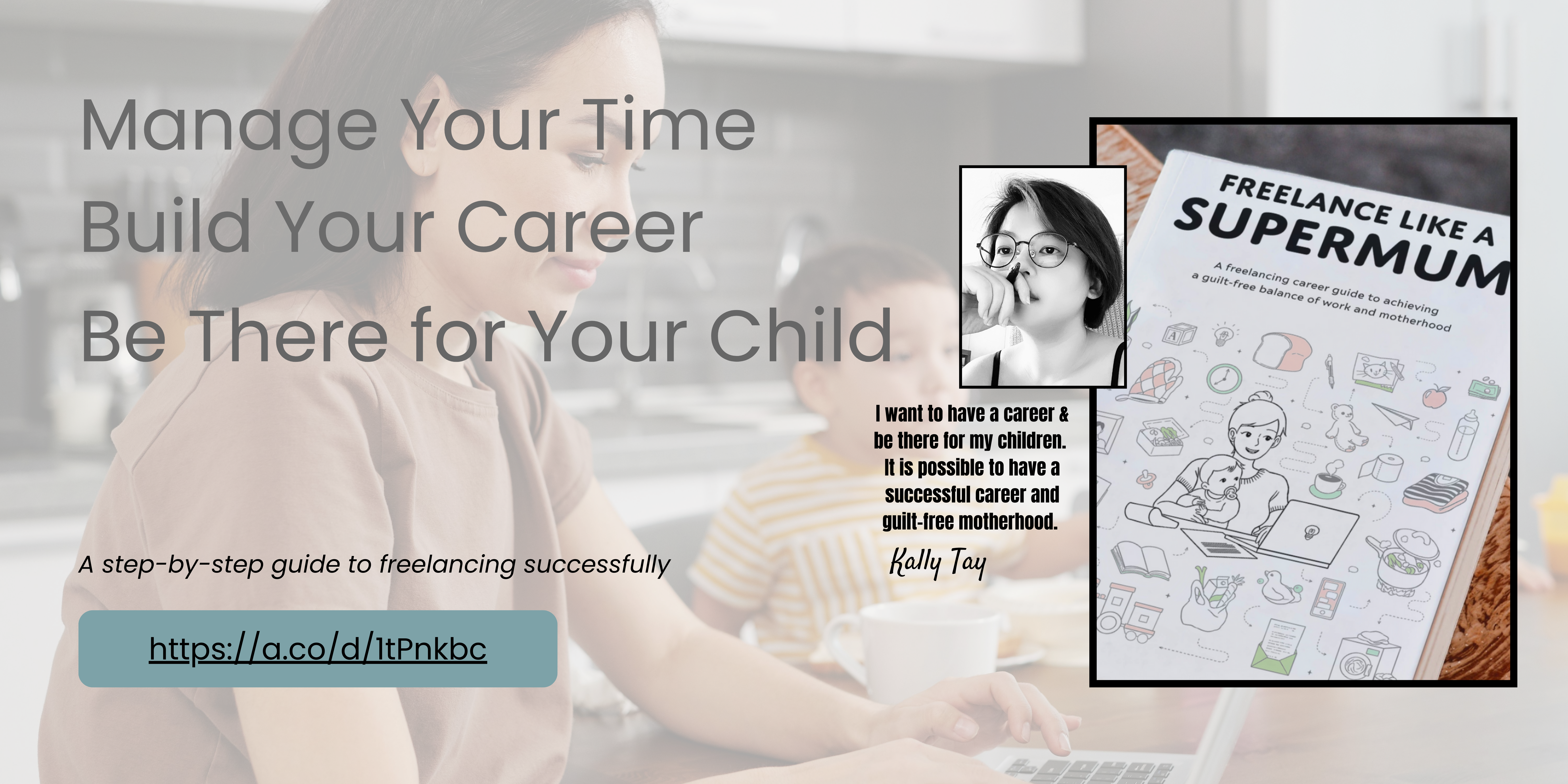
If this article helped at all, imagine what the book can do. Grab my guide to freelancing success on Amazon and help keep the caffeine (and writing) flowing!