
Burnouts do not happen all of a sudden. It starts with a spark that people barely notice, often in the form of sudden loss of energy and it grows as time passes on. Tasks that normally take seconds to finish slowly become a task that feels really hard to do. Even daily activities become a toll on one’s body and even rest won’t restore the energy lost, making one truly sick and not like their 100%. In workplaces that demand workers to be productive and resilient in any type of situation, these early stages of burnout are often ignored and seen only as temporary setbacks.
However, burnout is more than just being tired. Burnout is when a person is extremely exhausted both physically and emotionally even if they get rest. It also lasts a long time and many factors can contribute to it. From long hours of work, uncontrolled stress levels to not getting enough rest even if they slept for a long time. Burnout is a problem that affects one’s entire life, affecting one’s health, mindset, feelings and living life as a whole.
Cognitive Fog and Diminished Clarity
The most important and visible impact of burnouts can be seen in the decline of one’s mind. It becomes harder to think even about the simplest of things and even tasks that are easy to do becomes harder. One also becomes forgetful and finds it harder to make the right decisions.
This mental fog can be really upsetting while a person is in the middle of a work day. If they are experiencing a burnout, they will be unable to focus on what they are reading. They may also find it hard to explain their ideas and frustrate them completely. It will also cause others to feel inadequate and feel like they are not doing well enough in their job, causing them to overexert themselves in the process.
When the mental exhaustion reaches a boiling point, it will create a cycle that will further affect their mental fortitude constantly. They will work for longer hours, extending the fatigue and not being able to complete the work. As a result, a person’s performance is at risk.
Emotional Exhaustion and Detachment
Burnout changes how people feel, not just how they think. It makes them feel emotionally drained and unable to reach out to others. They lose touch with feelings that normally come so easy for them such as enthusiasm, curiosity and satisfaction.
Instead of feeling those emotions, they are more irritable and frustrated about almost anything. Even the smallest problems make them react strongly because their emotional batteries are dry. Over time, they withdraw from the people around them and their work. This may give them relief but it will also make them isolated from the world.
Work may also lose its appeal for burnout people because they would feel like it is now something they have to get through and not something to look forward to each day. They also become emotionally distant, which affects not just their work but also their interactions and relationships with their colleagues.
The Rise of Anxiety and Self-Doubt
As burnout gets worse, anxiety usually takes over and paralyzes them completely. They have to meet expectations even if they are tired and create a lot of tension around them in the process. They may think about deadlines rather than being with family or friends. They also slowly think of the what ifs and the potential failures more than what they can do to stop it.
People become unsure of themselves when they feel anxious. If they used to be people who are sure of their capability to finish tasks, anxiety makes them question if they really are capable of finishing the tasks before them. Even small mistakes can seem like a big deal to them. The way they think about themselves changes how confident they think to how hard they blame themselves from their mistakes, hurting their self-esteem.
When a person is both anxious and uncertain, it can be very tough and destabilize them completely. They feel uneasy all the time, even about the simplest things. Their minds are always on the lookout for problems, even when there is no problem at all. Sleep problems become common and always disrupted by thoughts of work.
Loss of Motivation and Meaning
Burnout is also when a person loses the desire to do things. From things they used to think were important or fun, now feel empty. They don’t have the same drive anymore to achieve anything or work hard as they used to. Now, they just want to do things because it’s just the way of life, not something they could be excited about.
This is not just about not getting much done. It is about not feeling connected to the things that make work worthwhile in the first place. When one puts in the effort but does not feel good while doing it, it is hard to keep going. People with burnout simply are going to do their work because they think they have to do it. Not because they care.
For a lot of people who get burnout, this is when they start thinking about their career and their identity. They realize that what they wanted is not what they got and that makes them unhappy. Sometimes, they even feel hopeless about their situation. Burnout makes people feel this way because the work is no longer meaningful to them.
The Physical-Mental Feedback Loop
Burnout is something that happens when a person’s mental and physical health are in bad shape. When a person is stressed for a long time, it affects their body and mind, and in turn, affects how the symptom grows and becomes stronger. They may feel tired all the time, get headaches or have sleep problems.
These physical problems can also affect how one feels mentally. With lack of sleep, one becomes very irritable. It is also harder to think clearly with burnout. Since one is always tired and hard to think, it is harder to deal with the stress. There is also the difficulty in determining if one is just physically tired or mentally strained when burnout persists.
This problem shows how difficult burnout is. Burnout is not just one part of a person’s health, it covers one’s entire wellbeing. It throws them off balance and affects every aspect of their life. As a person learns more about burnouts, the more it is clear that it is connected to both physical and mental health.
Isolation and the Silence Around Struggle
Although burnout has been happening across the globe for many workers, it is not a topic commonly discussed. At work, people are expected to be strong and do their jobs well. Any sign of weakness is seen as a way for people to question their worth in the team. They become afraid of what others will think of them if they see them struggling or that it will hurt their career.
Because of this mindset, people will feel like they are alone. That they have no one to talk to in order to get help or share their experience. In turn, they slowly feel like this is a burden only they should shoulder and no one else.
When one is alone with their negative thoughts, they will start blaming themselves for the burnout. They will think that if they were just strong enough, they won’t be burnt out in the first place. But, this mindset is not true because burnout happens when one is under too much stress for too long. Blaming oneself for the burnout will only create misunderstandings and make it difficult for recovery to begin.
The Gradual Path to Recovery
Recovering from burnout does not happen overnight. It requires people to identify both the physical and mental causes to determine the best course of action. Rest is important, but it isn’t enough to help a person fully recover. To get better, one needs to look at how much work they do and set their boundaries.
Getting mental health support is also a big boost into recovering from burnout. Speaking to family, friends and professionals can help a person feel understood and get help in dealing with the burnout. Understanding that burnout happens to people and it is not a sign of weakness helps change the narrative on how people can be cured from it.
Getting one’s energy and motivation back takes time. But, small changes like changing one’s working hours, getting help with hard tasks and reconnecting on the things that make the job fun can help restore that balance. While the process will take time, patience will be key to success.
Rethinking Work and Wellbeing
Burnout opens the discussion on how work should be structured and valued to prevent it. It shows what happens when people face a lot of pressure for a long time and not get any help or rest when they need it.
For people, it is really important to set boundaries, take enough rest and make sure that they know what they value in life and that their work matches what they value in life.
Companies also have a role to play. They need to build workplaces that care about the wellbeing of their workers, create a channel where they can talk about burnouts and know when to hold back on giving more work to employees. Awareness is key in preventing burnouts and working together can go a long way in solving it.
The Lasting Impact
Burnout leaves a lasting mark on anyone who experiences it, even if they have recovered from it. It changes the way one thinks about their job, the way they make decisions about what matters and what they want to do with their career. A lot of people have been through burnouts in their life and they became aware of their limits when they experienced it, working on ways to balance their lives and prevent it from happening again.
Burnout is not about being tired all the time. It is a warning sign that something’s not right. It shows that maybe it is time to step back a little because they are doing too much for too long and there must be changes made. If one wants to avoid burnout, they need to understand how it affects one’s health. This is the step to making things better for everyone.
When the signs of burnout appear and one accepts they are going through with it, they can start to do something about it. They can stop struggling on their own. Start taking action to make things better. It will not be easy. It is a chance for people to regain their energy and find a better way to work that will not hurt. Burnout is an experience but it can also be a chance for everyone to rebuild their life and find a more sustainable way to work.
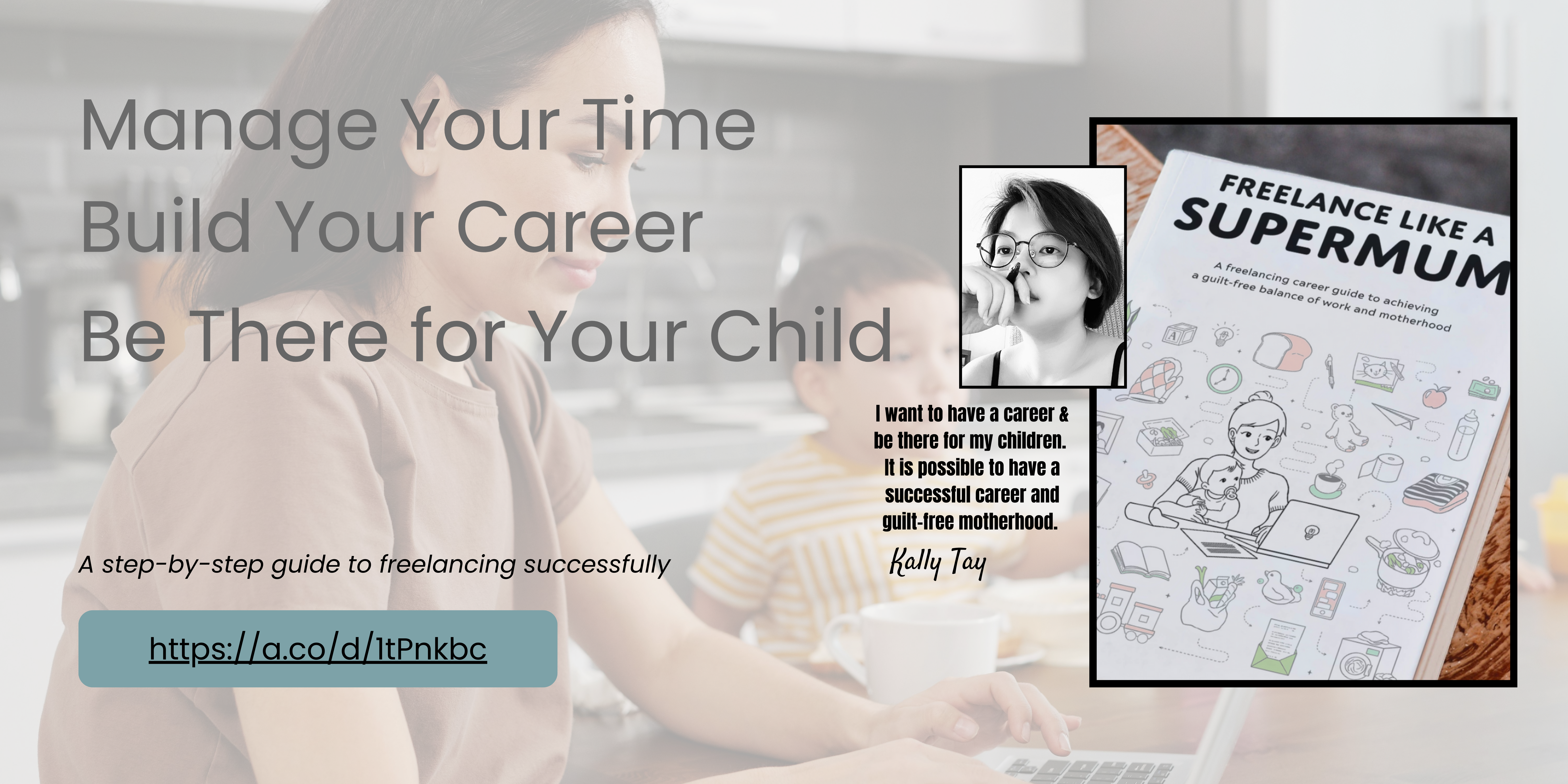
If this article helped at all, imagine what the book can do. Grab my guide to freelancing success on Amazon and help keep the caffeine (and writing) flowing!


Kally, this amazingly insightful article goes way beyond mere work responsibilities. This could be applied to “burnout” in almost any relationship, from family, friendship or marriage. The beginnings are rarely explosive, but pernicious and only with constant attention to each relationship can any flourish.
❤️&🙏, c.a.
LikeLiked by 1 person