
The COVID-19 pandemic has changed the way people work. Instead of working at the office, people had to work from home at their dining tables or kitchen countertops. If one is lucky, they may have an empty room that can serve as their office. While the appeal of working from home is excellent, there are times when work bleeds into your personal life to the point that, even when you should be taking a break, you end up thinking about work instead of being with family or resting.
Fortunately, there are many ways to separate work and personal life if you have to work from home as a freelancer, if you cannot go to work because your business is closed, or if you are sick. Here are some great tips on how you can separate work and life when they share the same space:
Have a Clear Schedule and Share It with Your Colleagues and Family
Whether you are freelancing or working remotely, having clear working hours and sharing them with your colleagues, team leaders, and family can help you feel respected and in control of your time. This clarity will help them understand when to reach you and help your family realize they can’t disrupt you during these hours. It also reassures you that your boundaries are recognized, supporting your sense of autonomy.
Use a Time Tracker
Using a time tracker provides insight into your actual work and break durations, enabling you to adjust your schedule for better work-life balance.
Establish a Routine
While you are working at home, it is best to keep a routine that helps you get into the mindset of focusing on work at the right time and ending the workday exactly on the usual schedule you have when working at the office. If you have a flexible work setup, use the time you usually spend commuting to work to do any chores you can and have breakfast. You can even practice wearing your office uniform at home, which helps you focus even more.
When your workday is done, you can shut off the computer and leave the place where you are working. Then get dressed in your regular clothes and attend to your personal duties.
Try Reducing the Number of Meetings or Their Length
Sometimes, too much of something is bad, and the same can definitely be said for video calls and team conferences. Your colleagues would also feel burdened by the amount of video meetings and become unproductive in the process. If the meeting becomes unproductive, completing your other tasks would be delayed because the meeting would drag on longer.
One way you can avoid these unproductive meetings is to discuss with the team how many meetings you should have per project and work together to reduce the number.
Have a Separate Device and Account for Work and Personal Use
It is also ideal to have a separate device for work and personal use. This will ensure that when you are on break and need to connect to the internet, you won’t receive work emails. It also reduces distractions so you can focus on your work during the right hours and rest when you are done.
Have a Designated Work Space in Your Home.
Renting a dedicated workspace may not be feasible for you, especially if you live far from city centres or coworking spaces. With this in mind, it’s best to look around your home and see which space is conducive to your work. It can be a room you are not using in the house or a space with fewer distractions.
Create Boundaries
It is also best to set boundaries to ensure you can focus properly when it’s time to work and when it’s time to rest. For example, if you plan to use a space in your house to work, try cleaning the space or moving the table to signal to your mind that it is time to rest now. You can also use different furniture and ‘assign’ them for work purposes only. Use the rest of your furniture for personal things.
Use the Right Tools to Communicate with Others You are Working With
You should also use the right tools to help others know you are busy working. For example, you can use the ‘Do Not Disturb’ status in your work’s communication platform. You can even personalise them to let people know exactly what you’re doing, so they won’t disturb you. If you are in a busy household, you can wear headphones so your family members won’t disturb you.
Always Check the Time
Sometimes it can be tempting to go beyond your work time to do more, especially when you are at home. However, this is not a good practice because it would just cause you to lose track of time and waste it. Use time-tracking tools or techniques like the Pomodoro technique. You should avoid sites that will eat up all your time.
Have a Goal
It is best to set goals at the start of each workday to help you stay focused and check whether you achieved them at the end of the day. Make sure these goals are achievable, or you risk setting yourself up for failure. To help you achieve these goals, try breaking your work down into manageable tasks.
While these tips may not work for everyone, they can still serve as an excellent guide to get started. Creating the right environment at home for your work while ensuring you can stop once your workday has come to a close, so that you can focus on yourself and your family.
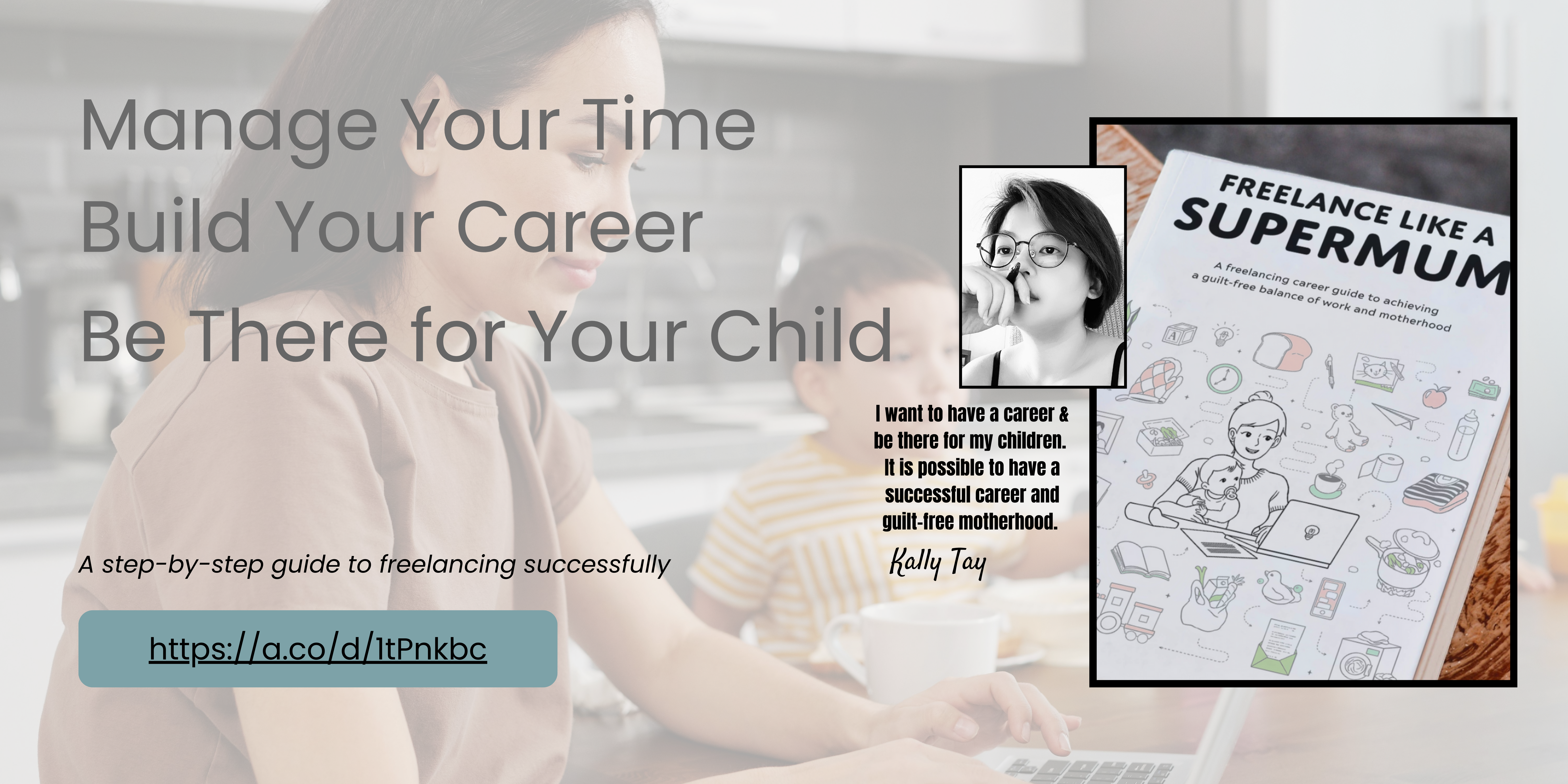
If this article helped at all, imagine what the book can do 😄
Grab my guide to freelancing success on Amazon and help keep the caffeine (and writing) flowing!
 MiddleMe
A much-needed and well-focused article. Working from home has many advantages, but without clear boundaries, it’s easy for work to encroach on everything. I think it’s especially important to emphasize schedules, routines, and personal space: small gestures that make a big difference in personal balance. Separating work and life isn’t a luxury; it’s a way to take care of ourselves and work better. Excellent contribution.
LikeLike