
Artificial intelligence is not something you just see in movies anymore. It is already a part of our life through things like smartphones and social media, as well as in shopping and navigation platforms. We also have AI assistants and automated services to make things faster and more convenient. Governments and schools around the world are starting to see that artificial intelligence will be very important for the future, seeing how it can impact the economy and the job market. China and Singapore are two countries in Asia that are moving quickly to teach kids about intelligence from a young age because of these trends.
The reason for their move is because people are starting to understand that the jobs of the future will be very different from the jobs we have today. Some jobs will change a lot thanks to AI and new jobs and industries will appear to match these changes. As artificial intelligence gets better, kids growing up today will work in places where people and machines work together.
The question is not if artificial intelligence will change things for better or for worse. The real question is how much artificial intelligence will change the way we learn the jobs we can get and how young people get ready for adulthood.
Why China and Singapore Are Focusing on AI Education
China and Singapore know that AI is a big deal. They think countries that get good at AI will have an edge in business, science, healthcare and more.
China is putting a lot of money into AI research, tech companies and schools. Some schools are even teaching kids about coding, robots and machine learning. The goal is to make sure kids are ready to work with AI technology when they grow up and help advance it.
Singapore, meanwhile, is doing something similar but has a unique twist. The country has an education system that focuses on exploring and utilizing new technology. It is teaching kids to be good with computers, think creatively and understand AI. Singapore knows that workers need to keep up with tech changes to stay ahead.
Both countries think teaching AI is a long-term plan. They’re getting kids ready for jobs that might not even exist yet. They’re not just thinking about today’s jobs but also the ones that will be created in the future.
AI Will Change the Definition of Work
One of the ways artificial intelligence will shape future careers is by changing what work means. Many tasks that are repetitive and predictable are already being done by machines.
Industries like manufacturing, customer service, logistics and data processing are changing a lot because machines can do some tasks faster and better than people.
This doesn’t mean people will lose their jobs. Instead, the nature of their jobs will change. Workers will do less repetitive work and focus more on creative tasks, solving problems, talking to people and making decisions.
For kids growing up today, being successful in their careers might depend more on working smart with technology than on memorizing facts. In the future, professionals will likely use artificial intelligence tools often in areas like healthcare, finance, education, law, design and marketing.
Because of these potential trends, schools are starting to focus on being adaptable and confident with digital tools, not just grades.
Future Careers Will Require Human and AI Collaboration
The next generation will probably work with artificial intelligence as a partner at their job, not just something they used to supplement it. Doctors will use artificial intelligence to look at information faster. Architects will use design software that AI can assist with for complex designs. Teachers will use educational platforms with AI to make learning personal for each student.
This means that people who work in the future need to know about AI and how to work with people at the same time. Kids who learn about AI when they are young will probably be better at working with it when they’re older.
At the same time, being able to understand people and talk to them will become very important. Machines can look at information quickly. Artificial Intelligence cannot replace human qualities like being kind, being a good leader, being creative and making good choices.
This mix of knowing about Artificial Intelligence and being good with people will probably be what makes strong careers in the future.
The Rise of New Career Opportunities
Artificial intelligence is changing not just the jobs that already exist. It is also making completely new career paths that have to do with artificial intelligence. A long time ago, jobs like people who make apps, people who manage social media or people who create digital content did not really exist. With artificial intelligence, it is going to make new jobs that people today do not know about yet.
Kids who are learning about artificial intelligence now may grow up to be specialists in machine learning or they may work as consultants who help figure out if artificial intelligence is being used in a good way. They may also work with robots or design reality or help people work with artificial intelligence. Some of them may even make new technologies that help solve problems like taking care of people who are sick, stopping climate change or making cities better places to live.
Even jobs that do not seem to have much to do with AI technology are going to change because of it. Artists and writers and people who own businesses and healthcare workers are all going to use AI tools that can help them with their daily tasks.
The job market in the future is going to be good for people who’re okay with learning new things all the time and getting used to the changes brought by AI.
AI Education Encourages Problem-Solving Skills
Teaching children about AI is not just about coding or computer science. Many educational programs teach kids how to solve problems and think logically and creatively. When you add AI education in the lessons, it encourages kids to analyze the situation, try out different solutions and understand how the system works.
These skills are really useful in all kinds of jobs, especially in the tech sector. Nowadays, employers want to hire people who can think carefully, work well with others and deal with situations.
By teaching kids about AI from an early age, countries like China and Singapore are helping them feel confident when they face technological challenges. They are not scared of them as well, unlike other generations. This way of thinking is going to be very important as workplaces continue to change fast.
Concerns About Overdependence on Technology
While AI education has its points it also brings up some worries. Some teachers and parents are concerned that relying too much on technology could hurt kids’ ability to think for themselves or interact with others in person.
Kids who grow up with AI around them might get too used to automation if their education is too focused on making things easy with technology rather than helping them understand people and the world. There are also worries about kids getting addicted to screens, losing their creativity and struggling to communicate face-to-face.
That’s why it’s crucial to have a balanced education to help kids balance the use of technology while retaining their curiosity. AI should help kids learn and not take away their curiosity, imagination or ability to understand and manage their emotions.
Countries that are investing in AI education need to make sure that students are still learning people skills, like social awareness, ethics and how to get along with others along with their tech skills.
Ethical Questions Will Shape Future Careers
Artificial Intelligence also introduces ethical challenges that future generations will need to navigate carefully. Questions about privacy, surveillance, misinformation, bias and job displacement are becoming really important.
Children learning AI today may eventually face difficult decisions about how they can use the technology wisely. Future careers may involve not just creating AI systems but also regulating and managing AI systems ethically. This is another reason why education matters so much.
Young people need more than technical skills to work with AI. They need to understand what is right and wrong and they need critical thinking abilities that help them understand the social impact brought by these technologies.
The future’s careers may involve balancing innovation with responsibility, in ways that other individuals never had to consider in the past.
Lifelong Learning Will Become Essential
One big thing we are learning from making and embracing AI is that we will keep learning even after we finish school. This is because technology is changing fast and the skills we have today will not be useful forever. In the future, workers will need to keep updating what they know all the time. This means being able to adapt to new things will be one of the most important things to be good at in any job, especially if it uses AI.
China and Singapore seem to understand this and are teaching kids to be flexible and keep learning rather than just focusing on passing exams. If young people are familiar with AI, it might make them feel more comfortable with technology when they are adults.
Being able to learn things, forget old things and learn new things again may be more important for being successful in a career, than having any particular degree or qualification.
Conclusion
China and Singapore’s efforts to teach kids about artificial intelligence showcases the change brought about by the changing trends worldwide to help the future generation keep up with the changing world. Artificial intelligence is going to change a lot of things for many industries, like the kind of jobs people have and how people work with machines. By introducing AI and how it works early, both countries hope that the younger generation will be more confident in handling future careers that will be made.
However, just knowing about artificial intelligence and how it works is not going to be enough. Kids are also going to need to be creative, understand how other people feel, be able to talk to people, know what is right and wrong and be able to think for themselves while balancing the technological aspect. The best jobs in the future will be the ones where people know about artificial intelligence and still have the human skills needed to balance everything out.
Artificial intelligence is going to have an impact on what kind of jobs today’s kids have when they grow up. It is up to schools to make sure these kids know how to use artificial intelligence in a good way and not rely on it too much. We do not want kids to just use artificial intelligence without thinking about what they are doing or what it can do to others. We want kids to use artificial intelligence and still be kind and thoughtful people.
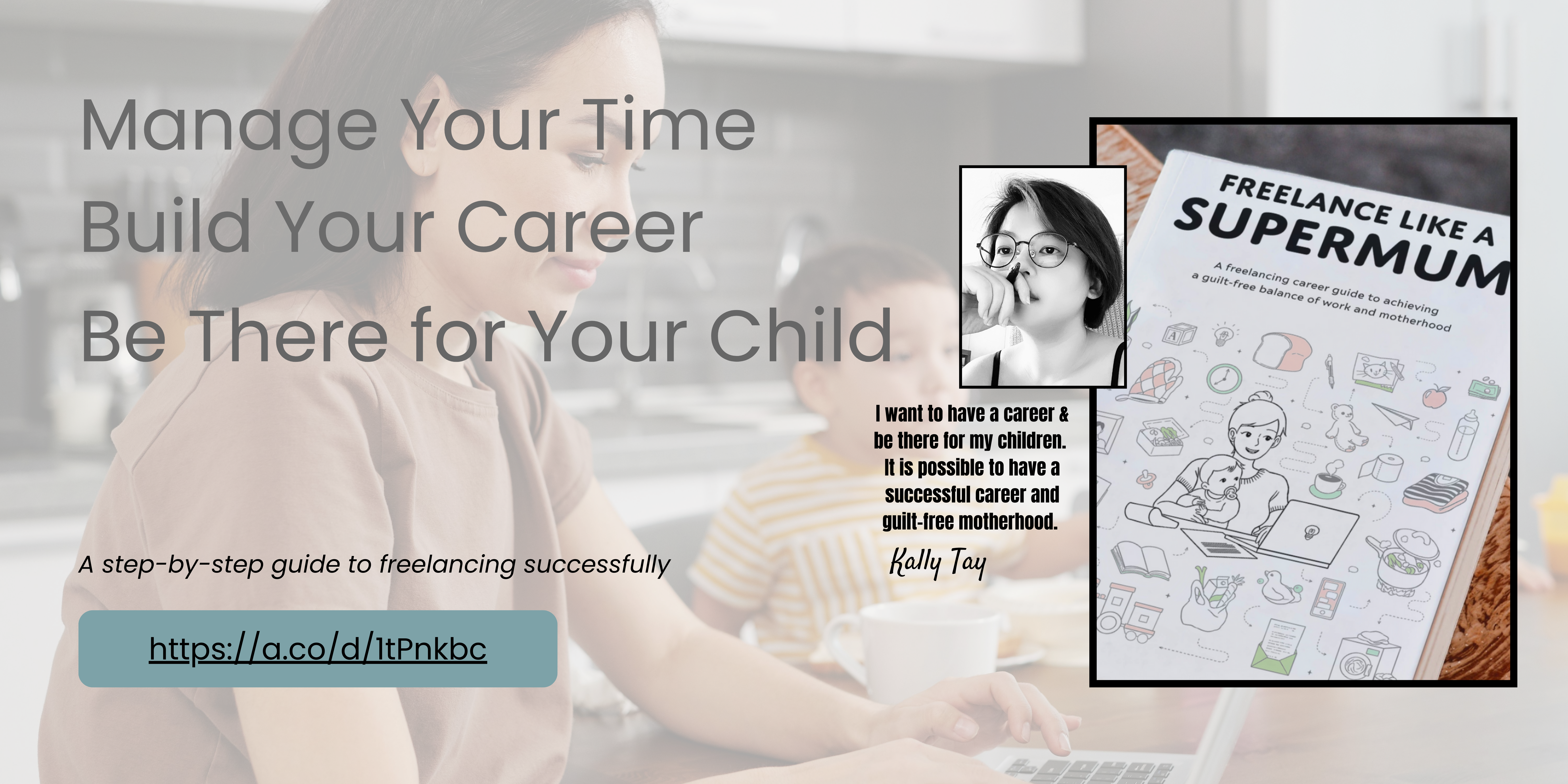
As the freelance economy continues to grow, those who know how to navigate the market effectively will have a distinct advantage. If you’re ready to start freelancing or take your freelance career to the next level, check out my guidebook. It will help you build a sustainable freelance business, attract long-term clients, and create a stable, reliable income.


AI will do much more than simply redefine the job market. It will usher in a global world more united than even Adam Smith could have imagined and what the WEF is trying to implement. As a Christ-follower, I do not need to be afraid of what lies ahead because I know that the Creator IS in control.
That said, many wonder if kids will still be around to use AI: https://capost2k.wpcomstaging.com/2026/09/16/replacement-ai/
❤️&🙏, c.a.
LikeLike