
Trust between you and your boss is really important to make your job experience more fulfilling and fun. When you have trust between each other, work becomes easier and smoother. You get to make more ideas come to light since you are given the freedom to work on your ideas and collaborate with others.
Trust doesn’t weaken overnight. It can weaken over time due to missed or late deadlines, incapability to communicate directly with clients and make huge mistakes or misunderstandings that should have been prevented before you take a lot of time for the project. Sometimes, you don’t even realize that it is happening until you feel like work has shifted immensely.
Subtle Changes in Behaviour
You’d know that you have lost your boss’ trust in you when they don’t interact with you as much as before.
They may ghost you for a little bit and oftentimes, the language used is formal to the point it’s hard to stay in their presence for a long time. The discussions are always about work and no more regular check-ins that will help you know they are still there rooting for you.
You might also notice that your boss is no longer sharing many things with you unlike before. Your boss will make decisions without telling you or asking for your opinion. They will only tell you the decision was made after it is enforced. These small changes can make you feel like your boss is distancing from you and they are not as close to you as before.
Increased Monitoring and Less Freedom
When you have your boss’ trust, they will usually give you the space to do your work without too much oversight. When trust is not there, you will not have that freedom anymore.
You might notice that your boss is now starting to ask you more about updates and checking your work constantly. The things you used to do by yourself may now need to have your boss’ approval every step of the way.
This can be very annoying if you are someone who prefers to do things your own way and not be monitored. It might seem like your boss is watching you like a hawk, but this is due to the fact they are no longer sure about your work. It is not a sign that they wish to control everything.
Fewer Opportunities
Another sign that your boss is no longer trusting of your work is when they give you work. If you used to work on important projects or highly competitive tasks, it will now go to others instead of you.
This can be really discouraging, especially if you are used to working on important projects and are always visible. Being ignored for these positions feels like you are not seen as someone skilled. Its just that your boss is no longer sure if they can rely on your work in these key projects.
Over time, this can affect your career prospects and targets. Without the chance to take on these responsibilities and show off what you can do, it will be harder to move forward.
Communication Becomes Tense
When the trust between you and your boss is strong, your communication with them is often relaxed and open. When trust is not there, talking to each other feels like it is very tense and sometimes uncomfortable because you run out of things to talk about.
Your boss might start being straightforward and less patient with you. They might focus on the quality of your work and the mistakes you made rather than provide you with great feedback. Even if you speak to them about things you like to discuss with them, it would feel like you are being judged for everything you feel.
This change can make it really hard for people to ask questions or speak up. You might start wondering where you went wrong and how confident you feel with your work. In turn, it will affect your performance and productivity.
The Impact on Your Confidence
Losing your boss’s trust is really tough because it can make you question your capability in making your boss feel at ease with your work. It will also make you question if you are truly good enough for your job.
You might become very careful about the work you do or avoid any new things that may help your skill set. If you make a mistake, it will become a big deal for you and small problems would feel like it is a gargantuan task.
This can start a cycle that may be hard to get out of. The more you doubt yourself, the more likely you are to make mistakes and not try new things, which can further show your boss you are not someone they can trust.
Feeling Isolated at Work
Trust is really important when it comes to connections. When trust is not there, you can feel isolated and that the world is against you.
You might feel that you are excluded from the group. You might not be asked for your opinion regarding the project or decisions made by the team. It can also feel like you are no longer important to the people you work with. There is a big gap between you and the rest of your team when trust is lost.
Going to work can also feel less enjoyable than before. The place where you work will now become scarier for you and uncomfortable. It can reach the point where it is a difficult place to be.
Can Trust Be Rebuilt?
The good news is that this trust can be fixed. When trust is broken, it doesn’t mean it is gone for good. In many cases, you can rebuild that trust, but it does take a lot of time and effort to make it strong again.
The first thing to do is figuring out what went wrong. You have to think about it deeply because you may not know exactly where you went wrong. Speak to your boss about it even if it will feel awkward. But, only they will be able to give you a clear idea as to why you lost their trust.
Once you know the cause of the problem, focus on making it right. Meet your deadlines, speak clearly to your clients and more. Don’t force yourself to make big changes because it will just make things stressful for you. Once you make these changes, people will start trusting you again. You have to be consistent with these changes to show that you are doing your best to change their perceptions.
Taking Responsibility Without Overreacting
When you make a mistake and trust is broken between you and your boss, you need to own up to it. Say sorry and admit that you have done something wrong. Admitting and asking for forgiveness is a great sign of being a professional through and through.
You should not be tough on yourself though when you do make a mistake. Everyone makes mistakes. What really matters is what you make after that.
If you focus on getting better and not trying to be too perfect, you can show that you are improving and wish to improve further. This way of thinking can change your boss’ perceptions and see you in a different light.
Knowing When to Move Forward
Sometimes, despite your efforts, trust may not fully return. In such situations, it is important to think about what is best for your long-term growth.
If the working relationship remains strained and opportunities continue to be limited, it may be worth considering a change. A new work environment can offer a fresh start and a chance to rebuild confidence.
This decision is not about failure or you giving up. It is about recognizing when a situation no longer supports your development no matter if you do your best to improve.
A Reminder of How Important Trust Is
Losing your boss’s trust can be a difficult experience, both professionally and emotionally. It affects how you work, how you feel, and how you see yourself.
At the same time, it highlights how important trust is in any workplace. When it is present, it creates a supportive and productive environment. When it is missing, even simple tasks can feel challenging.
Understanding this can help you become more aware of your actions, communication, and reliability moving forward.
Moving Forward with Awareness
Whether you are working to rebuild trust or starting fresh elsewhere, the experience offers valuable lessons. It teaches the importance of consistency, clear communication, and accountability.
Trust is not built in a day, but it can be strengthened through everyday actions. By staying aware and committed, you can rebuild confidence not just in how others see you, but in how you see yourself.
In the end, trust is not just about your boss. It is about creating a professional reputation that reflects reliability and integrity, wherever you go.
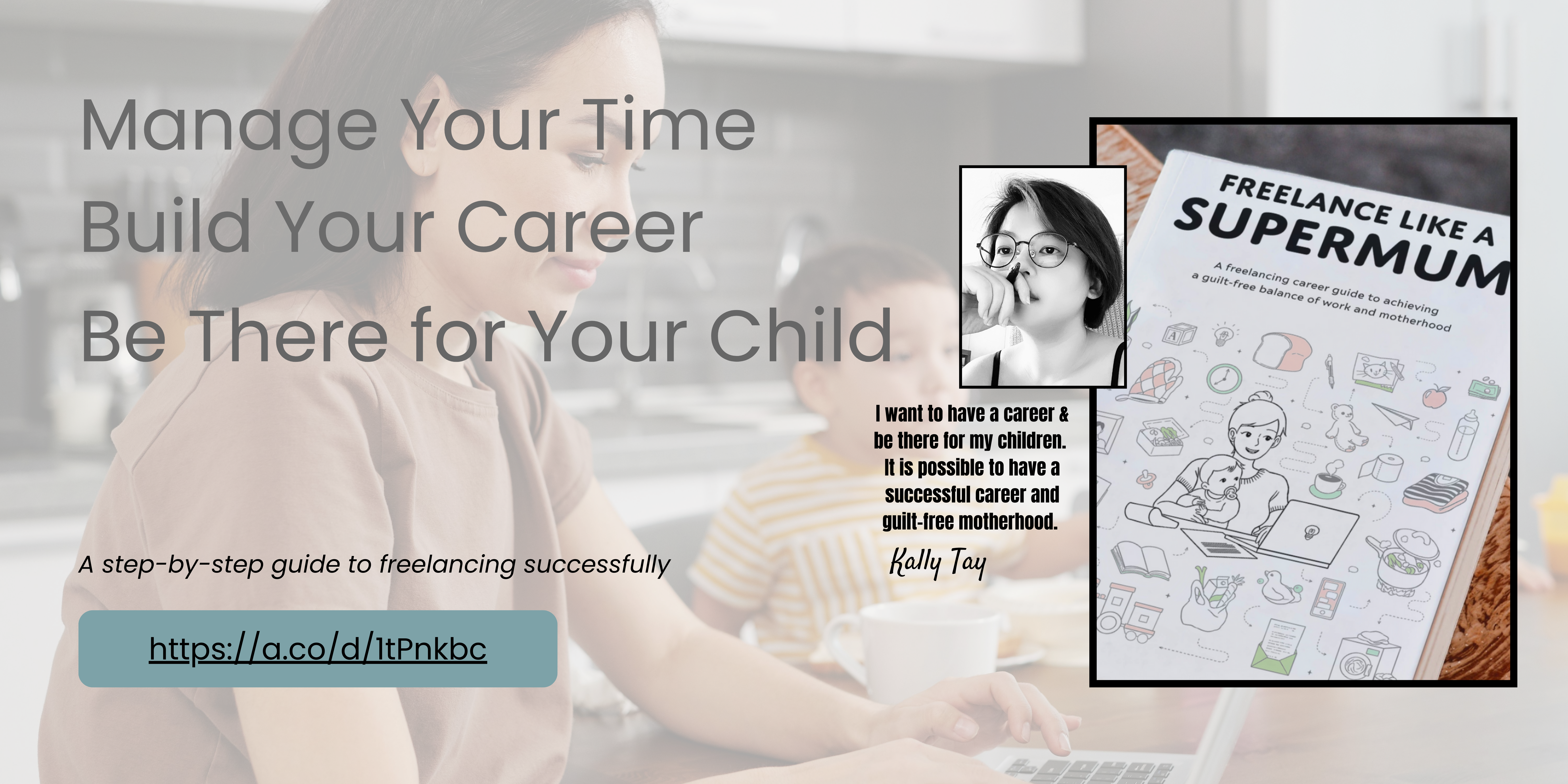
If this article helped at all, imagine what the book can do. Grab my guide to freelancing success on Amazon and help keep the caffeine (and writing) flowing!


Oh Kally, I needed to read this today! Thank you for giving me fresh perspective.
LikeLiked by 1 person