
Graduating from either college or university follows a familiar pattern: newly grads would work on their resume, schedule interviews and pursue a full-time job. However, in recent years, this pattern is no longer viable for many fresh graduates especially now that freelancing is now presenting a new alternative to build one’s career. It also offers a lot of benefits such as autonomy, creative freedoms, and a chance to let their careers grow in the path the freelancer chooses. It also is a great way to escape the rigid structure of traditional employment and to look at other interests. But, entering freelancing immediately after graduation is not as straightforward as one may think because it comes with realities that will challenge one’s professional career.
Unlike a standard job, freelancing does not provide a clear path to success. There are no onboarding training, mentorship programs or even goals that fit their chosen path. Fresh graduates may find this disorienting and liberating at the same time since they do not have anyone guiding them. The transition will require graduates to be technically competent and be ready to navigate the challenges brought by freelancing despite their limited experience.
The Challenge of Credibility Without Experience
One of the most immediate challenges for fresh graduates going into freelancing is building their credibility. In many job markets, clients often pick workers who have the right experience, the appropriate portfolios and can prove they can back their work. New graduates do not have this. If they do, they only have a handful of school projects that are related to the position they are filing for. But, most of the time, they do not have the professional exposure needed to give clients the confidence to trust them immediately for their projects.
This does not mean that new graduates cannot be freelancers. They just have to be smart about how they present themselves. They need to show people the work they did in school and any internships or personal projects they have of equal merit. This shows that they have the skills to do the job despite their lack of experience. With this in mind, having a portfolio serves as one’s resume instead of a traditional one.
However, it takes time to build credibility as one will need to start with small projects that don’t pay much to build it. As the freelancer delivers their projects well, they can use these projects as the foundations for their portfolio and their budding reputation in the industry.
Navigating Financial Uncertainty
For people who just finished school and are used to having a schedule, doing freelance work can be really tough because they do not know when they will get paid. Freelancers do not get a paycheck every week or every two weeks like people who have regular jobs do. This means that freelancers have to be very careful with their money every day.
The thing that makes it even harder is that a lot of freelancers do not have a lot of money saved up initially. Without initial savings, freelancers tend to panic when they do not get paid for a while. As a result, some end up taking work that does not pay well or have less favorable contracts, which can affect their career targets as freelancers.
It is important that budding freelancers learn how to handle their money as they start. From budgeting their money, keeping track of their expenses to creating emergency funds, this will allow them to stay afloat even if their work enters a lull period.
The Reality of Wearing Multiple Hats
Freelancing is not about doing a singular project or offering one service. It requires freelancers to also think like businessmen, handling every aspect of the business from the ground up. Fresh graduates will need to find clients, negotiate for contracts, send the invoices and market continuously to attract new clients. This can be overwhelming for those who have not done this before.
Having to do many things at once can be very overwhelming. The time that can be used to improve one’s work has to be divided in other tasks such as handling paperwork and building the business. It can be really hard to learn all these things and mistakes will cost time and money.
But, this hard time can be a great way for new freelancers to learn fast and adapt to the market faster. Fresh graduates learn how people value work, build relationships with their clients and know how the market works. This experience helps them be more adaptive to the job market and improves their understanding on what they can do to improve the quality of their work and their skillset.
The Discipline of Self-Management
Without an office, freelancers must make their own plans to stay on course with their career goals. For new graduates, this shift can be very daunting since in school, they have a clear idea of project deadlines, where to get feedback and how to get motivated.
But, with freelancing, these constants are gone. Freelancers have to manage their time and ensure they follow a set schedule strictly to keep track of their progress. Procrastinating, clutter and overcommitment can easily derail one’s progress.
It is crucial to develop the right habits to succeed in freelancing. Setting up work hours, having a clear list of goals and keeping a consistent workflow can stabilize the business. As time goes on, self-management becomes a critical skill that shapes a freelancer’s entire career.
Building Relationships From Scratch
In a traditional job, building a strong network of contacts is very easy since it starts with one’s colleagues, supervisors and the rest of the organization. For freelancers, they have to find other ways to network and build connections, especially after their graduation.
Building client relationships are integral in this part of the freelancing journey. Each time a freelancer works with a client, building trust and being a reliable partner shows their commitment to each project. Some clients may even request the freelancer for new work, refer them to others and help them build a stronger network.
It is also recommended for freelancers to connect with other industry experts and freelancers, whether it is through online forums, events and collaborations. These connections can help open opportunities for growth and get advice from people who have experience. They can also provide insights that can help in the future that is impossible to learn on one’s own easily.
The Psychological Landscape of Early Freelancing
Starting a freelancing career as a fresh graduate can be tough emotionally. There is no clear plan and being one’s own boss is scary. When one sees their peers with traditional jobs, it can make a freelancer doubt themselves and their capability to catch up. Some may even ask themselves if its worth the effort to stay in freelancing when their peers got their life figured out with their jobs.
But, freelancing offers huge rewards, especially when one is able to keep up with the pace. For every finished project and milestone achieved, it gives freelancers a sense of fulfillment and motivates them further.
There will be times that there will be rejections, slow periods and setbacks. But, it is part of the process of any employment path. Freelancers, especially new ones, should see these opportunities as a learning experience rather than see it as a stain in their record. Looking into these situations can help provide perspective and keep one’s momentum as they move forward.
Redefining Career Beginnings
For a time, people thought that starting a career meant going through certain steps such as entering graduate programs, internships and taking on junior jobs. Freelancing changes that idea and lets new graduates skip these long steps and directly work with their chosen clients.
This new way of starting a career redefines everything. One’s progress is not defined by promotions or any new job titles. It is defined by one’s skill set, relationship with their clients and their reputation as freelancers. The trajectory is also not linear because freelancers can shape their careers in the way they wish. It also provides a high level of autonomy that one cannot receive in traditional employment.
But, autonomy comes with responsibilities that freelancers need to take into account first. Without having a clear plan on what to do, freelancers will find it hard to measure their progress and identify the right goals to achieve for every project they make. Having clarity and willingness to be adaptive as the market changes can make a difference.
A Path of Possibility and Responsibility
Starting freelancing as a fresh undergraduate is neither an easy shortcut nor an impractical gamble. It is a path that combines possibility with responsibility, offering both freedom and challenge. Success depends not only on talent but on the ability to navigate uncertainty, build credibility, and manage the complexities of independent work.
For those who embrace it thoughtfully, freelancing can serve as a powerful foundation. It fosters adaptability, encourages continuous learning, and cultivates a proactive approach to professional development. While the journey may lack the structure of traditional employment, it offers a different kind of education that is influenced by one’s experience, resilience and initiative.
In the end, the decision to begin a freelance career immediately after graduation reflects a broader shift in how work is understood in today’s modern age. It signals a willingness to step beyond established frameworks and to engage directly with the evolving dynamics of the modern workforce. For fresh undergraduates, it is not merely a career choice but a statement of intent and that is to define success on their own terms, even in the face of uncertainty.
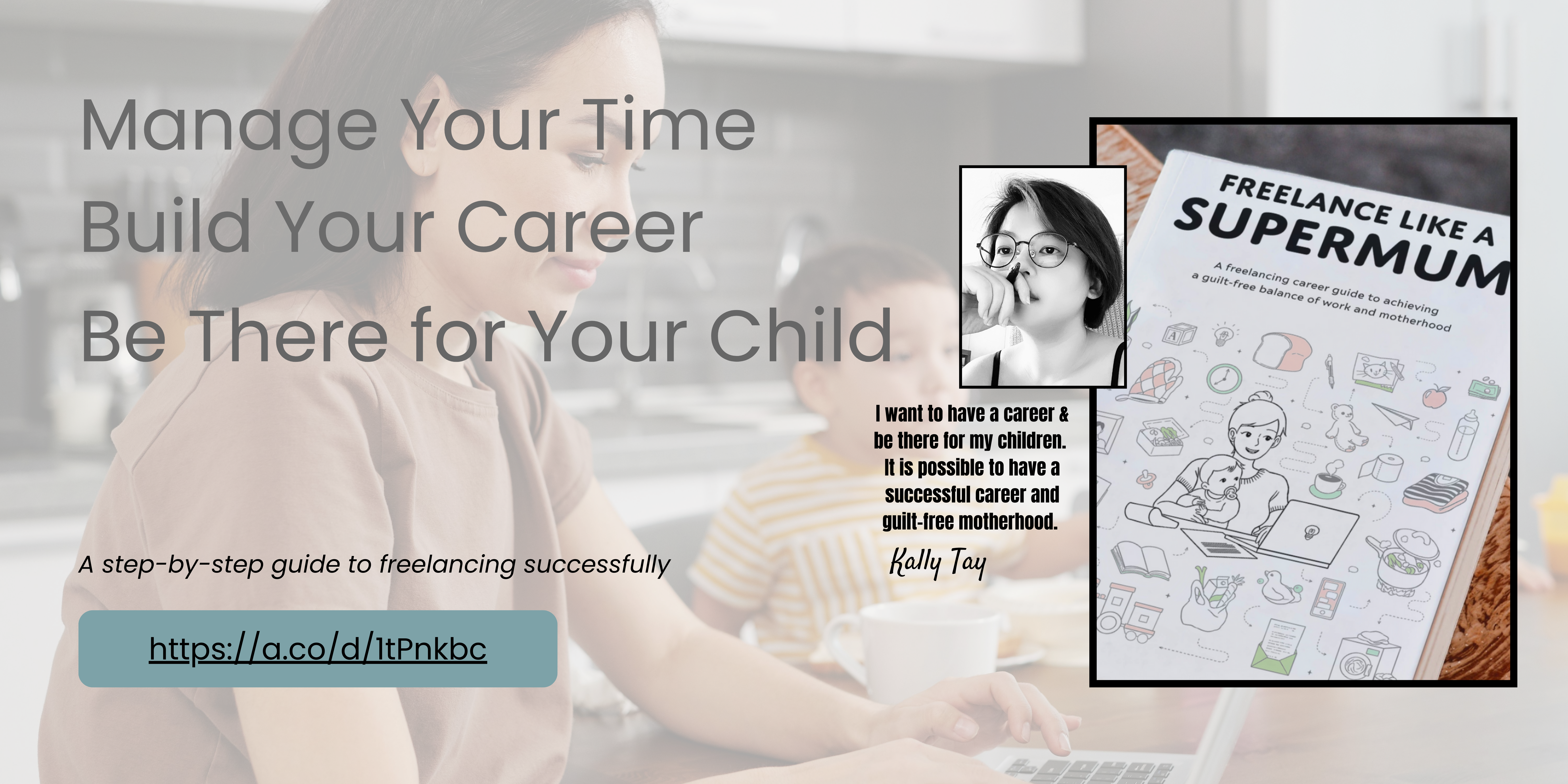
If this article helped at all, imagine what the book can do. Grab my guide to freelancing success on Amazon and help keep the caffeine (and writing) flowing!
 MiddleMe
Unfortunately, for the next generation, my wife’s undergraduate students in her college seem more likely to need to practice the question, “Do you want fries with that?”.
Self-regulation needs to be taught and learnt much earlier than entering college and very, very few have learned it.😟
LikeLike