
For many office workers and professionals, the idea of leaving their 9-to-5 job starts with a whisper rather than it becoming an obvious declaration. It also makes itself known in the most random times, from those long commutes, the breaks in between meetings, or at late nights when the number of unread emails grow in number from the screen. Salary in a 9-to-5 job is steady, the position is known and the benefits are established. But, beneath all these established structures lies restlessness as workers wish for autonomy, creative freedoms, flexibility and a different work life. It is rare to find cases where full-time workers jump immediately to freelancing on impulse. It usually happens after a bit of reflection, dissatisfaction from the system and a changing understanding on what it should look like.
Full time jobs create clarity. It defines your roles, gives you a list of expectations, and performance checks come with established norms. Having this clear perspective ensures one knows they will get paid on time and know who to speak to regarding decisions. In freelancing, it removes these guarantees, which can make people restless and uncertain. It is the freelancer who defines how their career goes and manages them directly, from contributing to a single vision to upscaling their career skills.
Redefining Security and Risk
One of the changes you have to make when you start freelancing is how you think about job security. When a person has job security, it usually means they have a stable job that will always be there. They have a contract and they get health benefits, paid time off and other benefits that will make them feel safe. But when they are a freelancer, these benefits are not a guarantee. One also does not know how much money they can make in a month and client changes are constant. There will also be no company to fall back on if the work doesn’t push through.
A lot of freelancers say that they find a kind of security when they start working for themselves. They have different ways of making money made available to them once they take freelancing. They get to choose how much work they want to do and they can quickly change what they are doing if they need to. Instead of relying on one company, freelancers have the option to work with many clients across the globe. However, it can be very unpredictable. But, once properly managed, it helps freelancers ensure they have other options available
There is no doubt that freelancing can be risky especially when one is just starting out. It takes time to build a strong client base. Money will also be scarce in the first few months. Many starting freelancers use their savings to help them get through these times and some may find the transition hard. But, it teaches financial discipline such as budgeting, forecasting and negotiating to become more effective. They also become key skills for survival as freelancers. Discipline will be key to make sure everything works as it should.
The Identity Shift
When working as an independent contractor or freelancer, it’s not just about the money as to why one opted for this route. It’s about retaining and defining one’s identity. In full time positions, one’s identity is tied with the company, department or the job title. It is also easy to introduce oneself in gatherings or events. There is also an easy way to handle social cues to some extent.
Freelancing is different since it does not come with a connected company or accurate job title. A person who used to be a marketing manager at a company is now a consultant. A designer at a company is now someone who runs their business. Freelancers will also need to change how they describe themselves as professionally as possible.
The shift can be a huge step, enabling freelancers to define themselves the way they like – through their skills and vision – rather than be chained down by organizational hierarchy. But, it can also be isolating since freelancers normally work on their own. They must also build their own reputation for them to be validated and make extra effort in building their network and credibility, such as attending networking events, joining online groups and so much more.
The Discipline of Freedom
Flexibility is one of the most highlighted benefits to freelancing. The ability to choose when to work and where is what many professionals want. No need to commute, reduced personal meetings and full access to one’s calendar can help significantly in improving one’s quality of life. Working parents can even utilize this flexibility to get more time with the family, while creatives can pick their most productive hours to work their magic.
However, discipline is key in order to manage this flexibility well and meet deadlines. Without a team leader setting deadlines or a fixed office schedule, time can become both an asset and a liability. Successful freelancers can create a routine that mimics their previous work structure even if they have to work alone. To prevent burnout, activities such as morning rituals, creating specific workspaces and highlighting boundaries are included in a successful freelancer’s strategy.
Interestingly, freelancers tend to work more than their counterparts, especially in the beginning. They will have to start from scratch, from finding projects, delivering the request to maintaining their cash flow to stay stable. Being able to say no and knowing when to say it is also crucial when picking contracts. With this in mind, autonomy doesn’t mean the absence of a structure but rather one’s responsibility to make one for themselves.
Mastering the Business of Self
In traditional 9-to-5 jobs, a lot of administrative tasks are not seen by the public. The human resources people take care of contracts. The finance people handle the bills. The marketing people make sure everyone knows about the company. When one becomes a freelancer, all of that support is gone. The freelancer has to be everything: from being the person doing the work, the accountant, the marketing person to the person who figures out what to do.
This can be really hard to deal with, especially if one is unfamiliar with the intricacies of each role. From drafting proposals, going after payments, sorting taxes to promoting oneself, it is not part of many job descriptions for traditional work. However, the experience can be informative as it provides understanding on how value can be added to one’s work. Freelancers start to pay attention to how to price their work, how to get clients and how to make themselves stand out.
As time goes on this understanding of business usually makes freelancers more confident. They get better at negotiating. They make sure their contracts are clear. They set boundaries so their clients know what they can and cannot do. The freelancer will also learn that just because they are good at what they do does it mean it is enough to succeed. They have to think about the picture and always be promoting themselves to be successful.
The Emotional Landscape of Independence
Freelancing is a rollercoaster. There will be moments when a freelancer gets a new job and times they will be surprised when someone loves the work done. It brings the feeling of satisfaction as it shows that all the effort used for the project is well-received. The success of the project also becomes personal.
However, being independent also comes with setbacks. If someone cancels a job or does not pay on time, it can be really tough to manage the expenses. Without people to talk to and share one’s problems, things can feel daunting to deal with. Freelancers have to be strong and withstand any rejections and the unknown. They also do not have any company to support them immediately when things do not go their way.
This is the reason why it is crucial to invest in building a strong support group while a person enters freelancing. Whether it is family or friends, they can provide the support one would need and make it feel less lonely. With their support, freelancers would be able to learn from the experience and it is not their fault they are experiencing these setbacks. It is a part of the journey and they will be able to get through it.
Reclaiming Purpose and Autonomy
Despite the challenges, a common thread among those who transition successfully is a renewed sense of purpose. Freelancing allows professionals to choose projects aligned with their values and strengths. Instead of adapting to a single company’s goals, they can pursue a portfolio of work that reflects their interests and principles.
Autonomy extends beyond project selection. It influences lifestyle choices, geographical flexibility, and even the scale of ambition. Some freelancers aim to build agencies; others intentionally remain solo practitioners to preserve flexibility. The definition of success becomes self-determined rather than externally imposed.
This autonomy can be transformative. It reframes work from obligation to intentional practice. While deadlines and client expectations remain, the overarching direction belongs to the individual.
The Ongoing Evolution
The transition from full-time employee to freelancer is not a single event but an ongoing evolution. The first year often involves experimentation, financial recalibration, and steep learning curves. The following years may bring stability, reputation, and deeper specialization if done right.
Importantly, freelancing is not necessarily a permanent departure from traditional employment. Some professionals move fluidly between both worlds, carrying lessons from each into the other to find the perfect balance for their career goals. The experience of freelancing often sharpens negotiation skills, fosters adaptability, and broadens professional perspective, qualities valued in any work environment.
Ultimately, the shift represents more than a career change. It is a reorientation of one’s mindset. It challenges assumptions about security, identity, and success in a professional level. It requires courage balanced by preparation and optimism tempered with realism. For those willing to navigate uncertainty, the transition can offer not only professional independence but also a deeper understanding of one’s personal priorities.
In a working world increasingly shaped by flexibility and digital connectivity, the line between employee and freelancer continues to blur. What remains constant is the human desire for meaningful, sustainable work. The decision to step out alone is rarely simple, but it speaks to a broader narrative: that careers, like lives, are not static. They evolve, adapt, and sometimes demand bold redefinition.
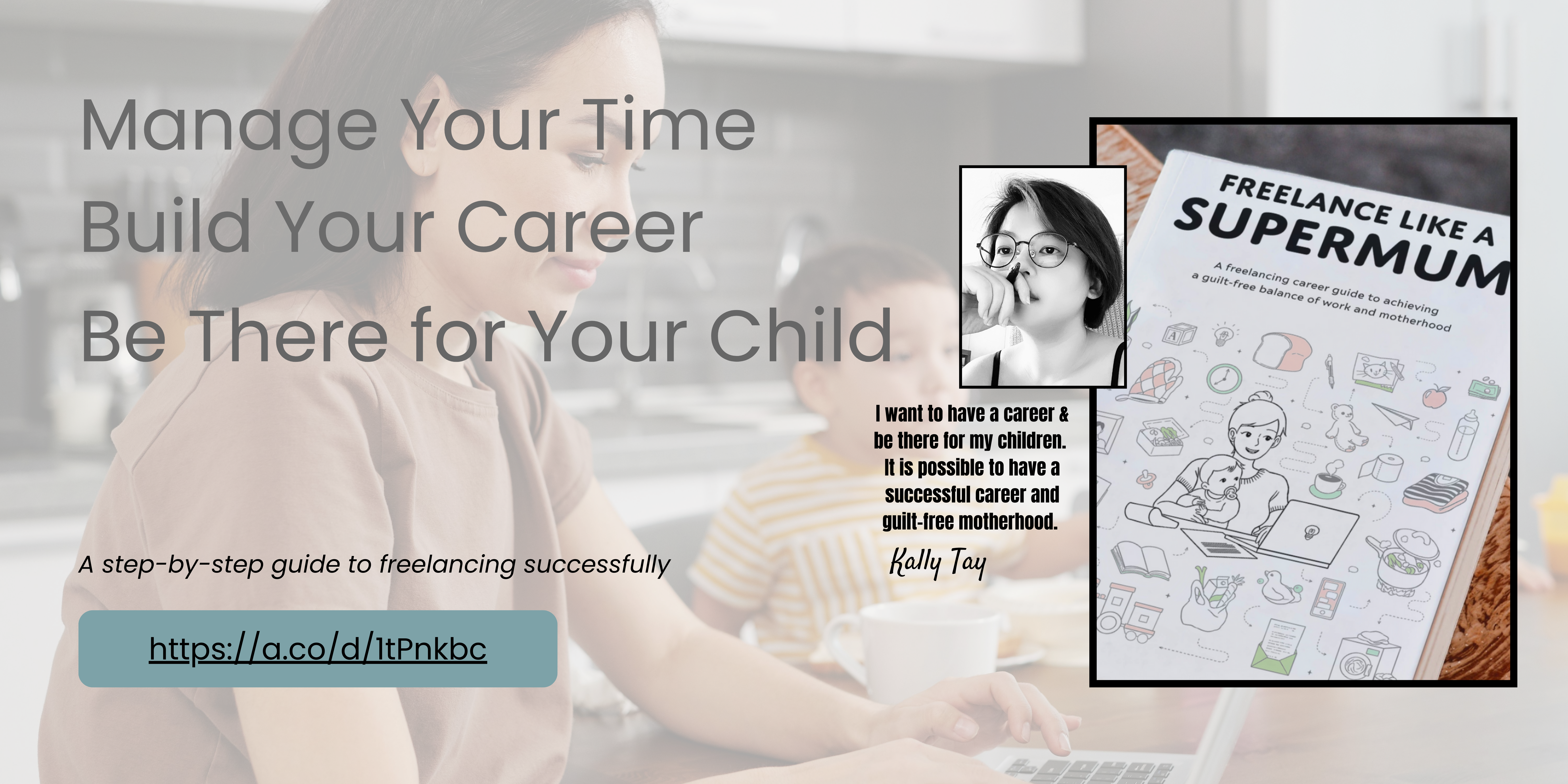
If this article helped at all, imagine what the book can do. Grab my guide to freelancing success on Amazon and help keep the caffeine (and writing) flowing!
 MiddleMe