
There are arguments to be made that freelancing is the best career path for women. But, is that the true reality? Work – since time in memory – is not shaped just by personal preferences, but also by social expectations, economic realities, and long-standing gender norms. Exploring why freelancing offers particular advantages to certain gender groups in certain contexts. In this article, we will focus on how freelancing can remove the gender gaps brought by traditional work for women and how it allows women to shine without undermining its benefits to men who choose this path.
In recent decades, more women are now becoming part of the workforce thanks to the changing global economy and social norms. However, women are often given caregiving-related responsibilities, reduced wages and face the endless expectations that they must be locked under family roles, team member positions and not assert their interests in public. Fortunately, freelancing provides both a refuge and a strategy, providing tools that would help women gain equal rights and be in an even playing field with men regardless of their situation.
Autonomy in the Face of Caregiving Expectations
Across cultures, women are often seen as the default for jobs related to caregiving, whether it is for children, elderly or extended family members. Even in a dual-income household, it’s the women who have to deal with the domestic chores when they are back home. If their first job follows a traditional work schedule – fixed hours, rigid work activities and limited leaves, the strain becomes even worse.
Freelancing offers greater autonomy over scheduling. The ability to work at their preferred time, structure their projects around their schedules and adjust according to life transitions can help immensely. For women who need to balance both household or caregiving duties with their career, this flexibility can change the game entirely.
Freelancing can also remove the stereotypes when it comes to multitasking and domestic work. It clearly highlights the norms are often unfair to women which need to be corrected. By utilizing freelancing, it decentralizes work from strict corporate timelines, creates space for women to remain economically active while managing responsibilities that institutions have historically overlooked.
Countering Workplace Bias
Although there is a big discussion on fighting against gender inequality and pushing for diversity in the workplace, biases and stereotypes continue to create tensions in the workplace. Women often find it hard to get promoted, negotiate for their ages or even be recognized for their leadership. Several studies have also shown that when women are assertive, ambitious and active, the workplace sees it differently compared to when men show these same attitudes.
In freelancing, these biases no longer influence the work culture. Instead of having to work through office politics and hierarchies to get the appropriate response, freelancers only need to focus on the deliverables rather than deal with the bureaucracy. Clients only focus on the quality of the work rather than the profile of the freelancer. So long as the work is delivered, it is ok if their career history is incomplete.
Of course, bias also occurs in freelancing. Gendered expectations can still influence negotiations or client interactions. But, freelancing shifts power dynamics. Freelancers have the option to choose who they work for, how much they can work for, and the price of their work. They can even decline who to work with, especially if the potential client has clashing values. They can also indicate the boundaries regarding each project without having to worry about approval from a higher up. This degree of freedom can be beneficial for women who wish to be free from any institutional constraint.
Reclaiming Control Over Earnings
One of the most major concerns when it comes to workplace culture and tradition is the gender pay gap between male and female workers. In many industries, it is not uncommon to see women are paid less than men even if they have the same position. There are many reasons why this persists, from discriminatory practices, career gaps brought by maternity leaves, to part-time work.
In freelancing, there is a different career structure. Freelancers can set up their preferred earning structure rather than conform to a traditional pay scale format. Women who are able to negotiate according to their expertise can provide a decent and fair price for their services, which sometimes surpasses even the basic salary they could earn for the same roles traditionally.
This autonomy in identifying earnings on one’s own does not automatically eliminate systemic inequality. Negotiations are often unfavorable to women because of social norms regarding what women should have in a traditional work environment. But, with freelancing, transparency makes it clear that the woman’s skills and talents are worth more than the biases attached to women. Pricing becomes an open discussion rather than a confidential internal process. The opportunity to align income directly with skill and demand can level aspects of the playing field.
Navigating Life Transitions More Smoothly
Women are often affected more by career interruptions brought by life events compared to men. Whether it is childbirth, taking care of loved ones or sickness, women are often the ones asked to stay behind for a long time and forced to sacrifice their career. The gaps in their departure slows down their career advancement, disabling them from climbing up the career ladder in the corporate world. The corporate world often favors those who are continuously working compared to those who have legal reasons to temporarily leave their post. Re-entering the workforce some after time away may require these women to update their outdated skills or find themselves having problems due to their diminished networks.
Freelancing can provide a more fluid alternative. Skills can be maintained through smaller projects or online lectures during life transitions. One’s professional identity can remain active even if their workload temporarily decreases. Instead of stepping entirely outside the workforce, women can recalibrate intensity of their work load without severing professional ties in the process.
This continuous career can preserve one’s confidence as well as competence. Maintaining a sense of professional agency during one’s transitional years through freelancing helps prevent the erosion of identity that sometimes accompanies extended career breaks regardless of reason.
Escaping Prescriptive Career Paths
Corporate structures often reward those who follow a linear career growth with promotions, increased responsibility and geographic mobility. However, for women, this career growth may not be possible especially if they have family-related concerns or issues with relocation due to personal safety and many others.
With freelancing, these problems become a thing of the past. Whether male or female, they can define their achievement in freelancing by integrating financial stability, creative fulfilment, and personal wellbeing together. They can also specialize in various fields on their own without having to worry about working with a team.
Changing one’s stance in how they work allows ambition to be expressed on a more personal level rather than match it with pre-existing standards and models. In environments where leadership is often given to men and rely on continuous office-bound activity and schedule, freelancing offers a great alternative for success.
Emotional and Psychological Dimensions
It is often reported that women are often given emotion-intensive tasks in a traditional corporate setting. The jobs include mentoring, conflict resolution and team management. While these contributions can enrich workplace culture, they are not always the most thanked or compensated positions.
Freelancing changes the metric, making it a direct interaction between goals, activity and contracts. Workers will still be doing some emotional labor, but it is not as pronounced unlike in traditional companies. The main focus is on deliverables requested by clients.
There is also a huge psychological benefit when it comes to freelancing that women gain and that is autonomy. They are able to practice their skills and enjoy their interests. They also have more control over their work compared to their work if they do it traditionally. The narrative shifts from waiting to be promoted to actively creating opportunities for success.
A Nuanced Perspective
To assume that freelancing is better for one gender group does not show the full picture. Freelancing also benefits men, providing them with the autonomy to adjust their career, have a flexible work style and add new income streams to support their needs. If both groups look into ways to expand freelance models, it would remove the stereotypes on key roles like caregiving and domestic life.
However, the argument that freelancing offers particular advantages for women reflects the reality regarding social structures. When the traditional structures are unable to keep up with the changing gender roles, alternative work options like freelancing provides a more unique perspective. Freelancing does not hold favorites when it comes to providing benefits to those who select this career method, women find it easier to build their career with it.
The Broader Implication
At the end of the day, the conversation regarding how beneficial it is for women to be freelancing highlights a clear problem in today’s work environment. It shows that work is structured on traditional structures and that women are not given equal opportunities compared to men. If the current structures can be adjusted to suit equal division of responsibilities, adjust wages, remove biases and so on, freelancing can be beneficial for all parties.
While these changes are a work in progress, freelancing definitely is a great option for women to consider if they want work that is flexible, fair and enables independence. While it is not an escape from any work-related competition and extensive effort, it will still require discipline, resilience and strategic thinking to succeed. Women would also be able to design their own careers the way they wish in the speed they want, without affecting their personal goals and life.
In this perspective, freelancing is both a form of resistance to the standard norms and an economic strategy in this day and age. It also challenges the current work structure and the belief that success needs to follow the structure that is unfair for one gender group. For many women navigating layered expectations, that freedom can be both transformative and advantageous for all.
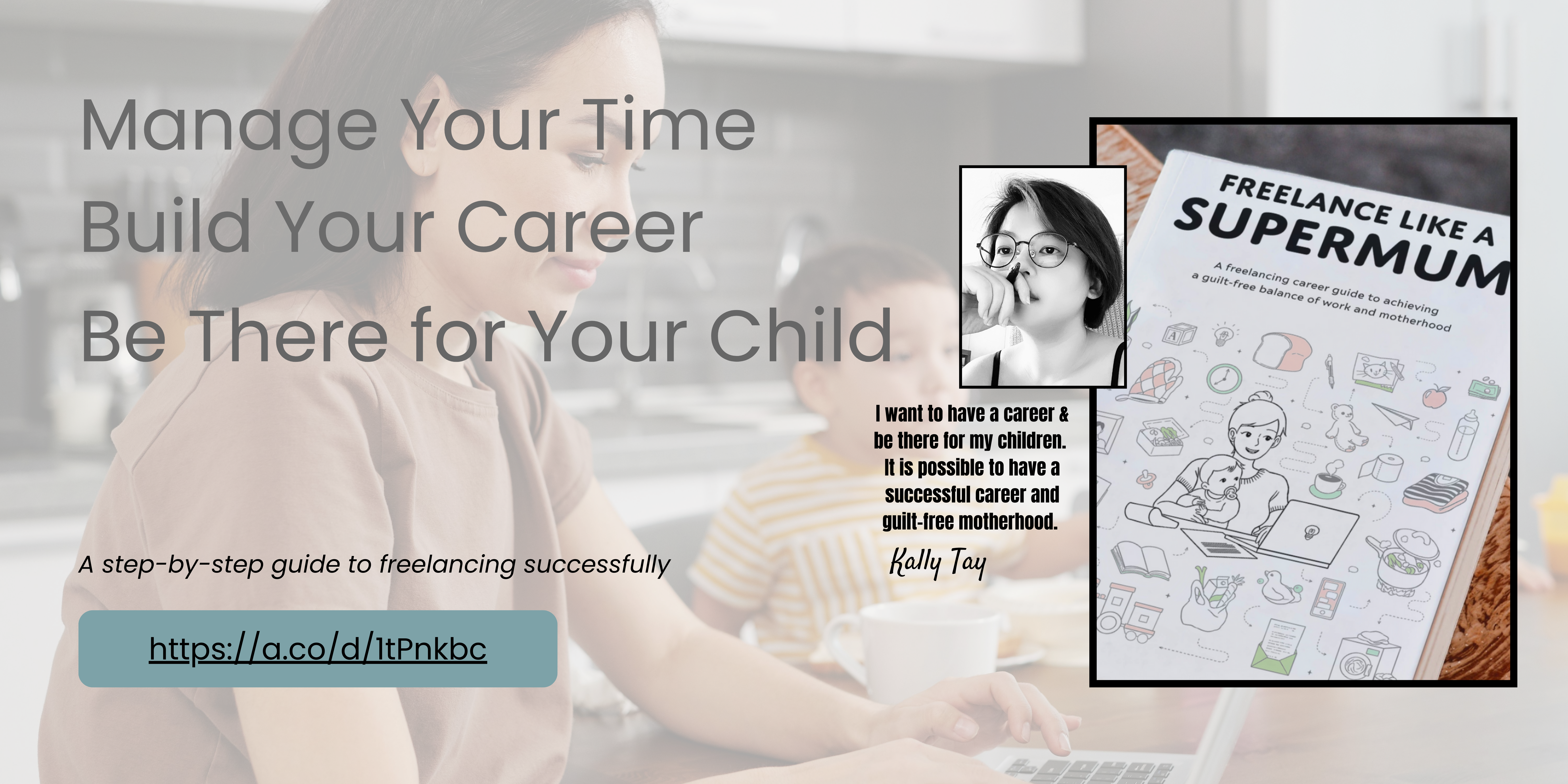
If this article helped at all, imagine what the book can do. Grab my guide to freelancing success on Amazon and help keep the caffeine (and writing) flowing!
 MiddleMe