
Nowadays, the most common buzzword we hear is ‘work-life balance’, especially amid increased focus on mental health and the impact of overwork on workers’ overall health. However, while many talk about making it a goal, only a few achieve it. There are many reasons, but the most common is that people are unable to achieve the right balance to create boundaries and know when to switch off from everything, even for a little while.
But how can you achieve balance to achieve the perfect boundaries that would protect your health and keep your career on track? Here is a quick guide on how you can achieve true balance to help you achieve work-life balance:
What Makes Work-Life Balance Hard to Achieve
When you look at how people try to achieve work-life balance, most fail because they create an unrealistic definition of balance. Life isn’t easy to predict, and the workload isn’t either. On some days, you will be asked to do more for your work, while in other weeks, the one that will demand more is your personal life.
Instead of trying to balance your time between two things, use intentional shifts, as this will help you keep up with your day even when it becomes unpredictable. The perfect balance means you will work more than you should on some days, but on others, you focus on your personal duties. Full control over when you shift your focus is key to achieving balance.
Boundaries Are Better
Since balance is hard to manage, setting clear boundaries is better for achieving work-life balance. Without boundaries, you will definitely see that your work bleeds into your personal time. Your to-do list continues to include your work when you should be focusing on your family and yourself. You also feel burnout far more often than before, and your career is influencing your identity in more ways than one.
Having boundaries in place will help you control when your work influences your personal life and when you can enjoy your breaks. You need to enforce these boundaries consistently and communicate them properly to those who need to respect them.
How to Adapt Effective Boundaries
If you want to begin adding boundaries to your schedule and life, here are some great ways to adapt effective boundaries:
- Have Digital Boundaries
If your phone constantly buzzes with work notifications, you need to find ways to reduce them, especially when it’s time to clock out. Turn off all your work applications and emails after you finish work. You can also use the “Do Not Disturb” status in your work applications so people won’t disturb you at this time. If they need to contact you in an emergency, create an emergency-only line for them to use.
- Have a Strict Work Schedule and Stick with it!
When you answer work calls and emails at 10 pm once, people will expect you to be available at that time, even when it’s your sleeping time. With this in mind, it is best to set clear work hours for your team or clients and tell them you will not answer their messages unless it is an emergency. You should also take advantage of auto-replies and use status updates to reinforce that you will not be available at these hours.
- Have a Separate Space for Work and Personal Life
If you work from home, it is best to designate areas in your home as a workspace. It could be a spare room or a nook. If you do not have these areas, you can pick areas where you have a stable table that is not in your bedroom or on your couch. Once you are done with the work, clean the area and make sure not to touch it until the next day.
- Protect your Schedule
If you do not exert your control over your schedule, someone will definitely try to change it. You may end up with last-minute requests, deadlines and the whatnots unless you set priorities and adjust your schedule accordingly. Make sure to block off key times when you will be with your family or on vacation. You should not be scared to say no to any unnecessary commitments if they suddenly appear.
- Take Breaks
Being always available doesn’t mean you are actually productive. Taking breaks can help you improve your focus and overall performance. Every once in a while, take breaks away from your desk and phones instead of eating while you work. You should also take vacations if you think you’re working too hard.
- Create Reasonable Expectations
You should also set reasonable expectations for your workload and be ready to communicate if you need time to complete it. Be clear about how much time you will spend on each project, and prioritise the important ones first before focusing on your minor tasks. You should also keep discussions with your clients or team during work hours so the team knows when to reach out to you.
- Always Ask for Feedback
You should also be open to feedback and honest conversations, as this will help you set professional boundaries with yourself, your team, or your clients. This will also enable you to find the right people who will help you grow and work with you to reach a suitable working schedule that allows you to work without feeling pressured to go beyond it.
Achieving work-life balance isn’t about balancing your time perfectly so you can do both your personal life and your work without sacrificing either. It is all about retaining control over when you work and when you take a break so you can rest. There will be times when you’re busy, and that’s ok. What is important is that you can pull back and get the rest you need. Remember, your goal is to establish a career that supports your life, not one that bleeds into the other.
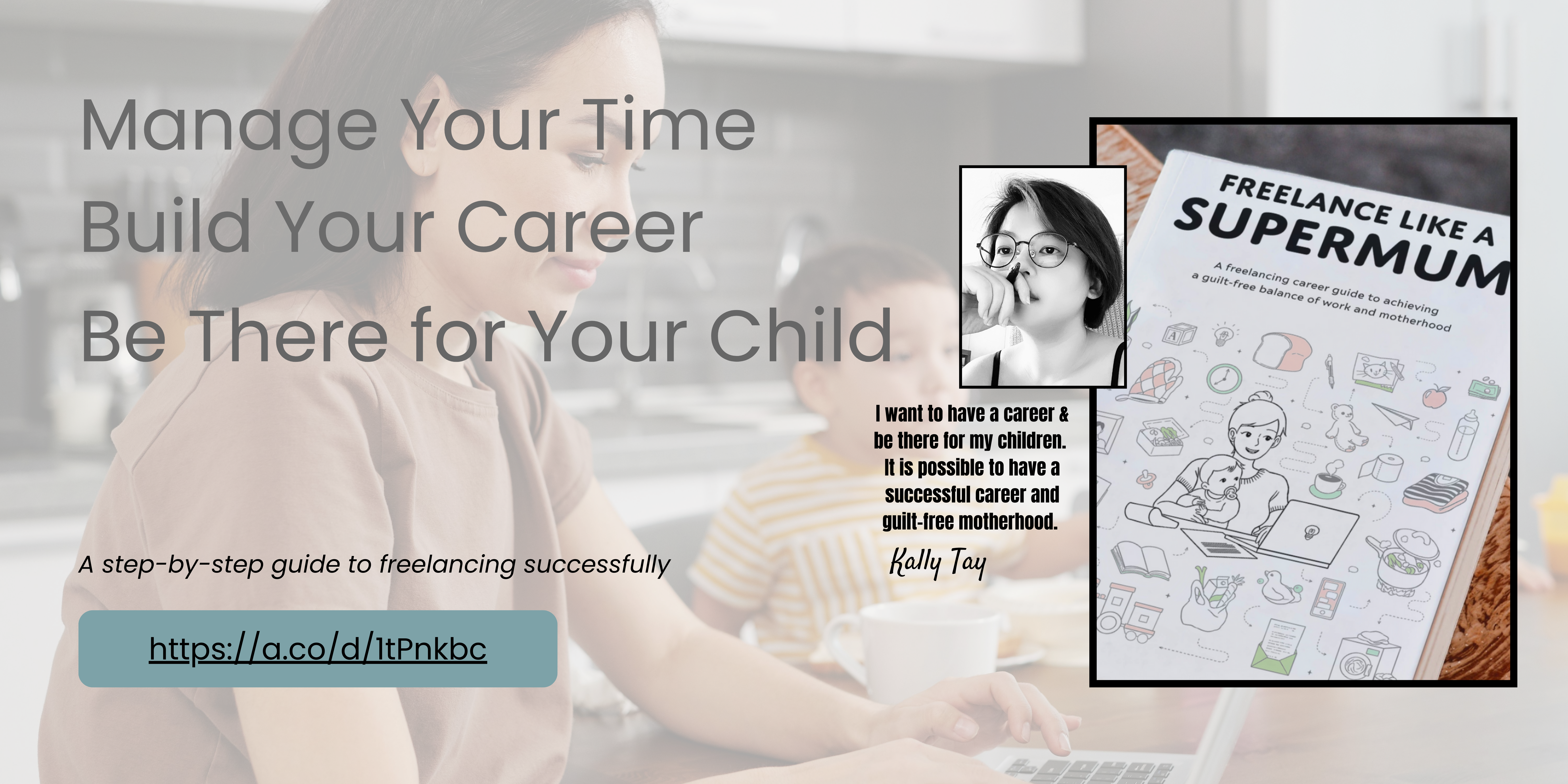
If this article helped at all, imagine what the book can do. Grab my guide to freelancing success on Amazon and help keep the caffeine (and writing) flowing!
 MiddleMe