
In today’s professional world, everyone is connected to their devices. From sending messages to finding the right job opportunities to socialising with others, everything is now done online and on a device. While it is good that technology is providing these avenues and making things more efficient, it has also made it hard for many people to distinguish when these devices should be used for work and for personal life. As a result, it is not uncommon to hear of people experiencing digital fatigue and stress.
But, how can one actually do a digital detox when everything is done online? Plus, how do you know if you should do a detox? Here’s a short guide on when to do a digital detox and how to do it efficiently.
Signs to Inform You That You Need a Digital Detox
You don’t need to wait for your body to give out or burn out before you consider a digital detox. Here are several signs that would inform you if you need to detox from digital devices and social media:
- You automatically reach for your phone the moment you wake up, before you check your emotions for the day.
- You always feel on edge if you don’t check your messages or social media notifications after a short while.
- You scroll your social media even if you don’t enjoy doing it. You are only doing the motions.
- You can’t focus, sleep, or engage in conversations because you prefer online discussions to face-to-face interactions.
- You always feel drained, but you can’t explain why it is happening to you.
Practices to Help You Focus with Digital Detox
If you notice one or more of these signs, why not try the following practices to help you focus and relax your mind again?
- Create Boundaries
Identify key times during the day or week when you will not use your gadgets or check websites or social media. These times could be before your meals, before you sleep or while you take a bath. Don’t worry if you can’t follow your boundaries right away; you’ll need to adapt to them slowly until they feel natural.
- Assign a Detox Day
Aside from adding a tech-free hour to your schedule, you should also have a detox day where you unplug from all your digital devices for a few hours or an entire day. It could be on weekends or on a lull day in the week. Remember, itis okay if you miss a day or two. Just make sure to make up for it in the coming weeks.
Personally, I love to go off-grid, somewhere that I won’t be tempted to grab wifi signal so I can check my emails. There are lots of islands offer such retreats, some comes with total zero internet connectivity while others will only have wifi signals in the resort lobby where seats are limited.
- Practice Mindful Technology Use
While using your socials or any app you have, turn off any non-essential notifications. You can also use app timers to lock the app after a set amount of time. Some examples of apps you can use include Offtime, Forest and Digital Wellbeing. Your phone may also have features to help with Focus, such as Apple’s Focus feature.
- Start with Small Breaks
If your schedule is busy, try to incorporate short breaks where you won’t look at your phone, devices, or social media. Start with one hour, then gradually extend it to longer than an hour, a day, or the entire weekend. Do not rush yourself into going off the grid from your devices.
- Use Fewer Apps or Accounts
Too much of something can be bad, and this is true for apps. Try using one or two apps for productivity or social media. You can also deactivate duplicate accounts to reduce the number of apps you have to look into, especially if you don’t need them. For example, to improve productivity, you can use Google’s productivity suite instead of various productivity apps. For social media, you can use Meta’s apps, which let you access its network with just one account.
I do an app clean-up once a year to make sure I don’t have any apps that I hardly use in my library.
- Have No-tech Areas
Keep key areas of your home, like your bedroom and dining room, free of any technology use. This will encourage everyone to focus on face-to-face interactions, either to complete any tasks they have in mind or to relax.
Let your family members know about these areas so they can practice digital detox when they are there, bedrooms are a great way to have a no-tech zone.
At work, you can designate break areas as no-tech zones so you can talk to your colleagues. Instead of areas, you can also instill a common rule that no phones are allowed during meetings. This way, meetings are kept strictly for discussions face-to-face.
- Use Analogue Tools
Want to brainstorm? Why not use a notebook instead of your tablet? Want to read something new? Use an actual copy of a book or novel instead of an e-reader. If you want to wake up at the right time, use an alarm clock instead. If you want to take a break, don’t go for video games or social media; do something you like, such as going for a walk, doing yoga, or sitting quietly.
- Discuss Your Schedule Correctly
It is also best to let your team and clients know your availability so they don’t reach out when you are on your digital detox schedule. This will also ensure they have clear expectations about your work hours and enable efficiency. If they genuinely want you to do something urgent, make sure to discuss it with them in advance and adjust your schedule accordingly so your detox days are not affected too much.
As a professional, it is difficult to entirely abandon technology, given that it is ingrained in every aspect of life today. However, it doesn’t mean that you can’t detach from these technologies for a while and recover from the overload, especially now that mental health is constantly tested by changing environments. By taking the right step to disconnect, you will be able to utilise these technologies more effectively while ensuring a perfect work-life balance that will help you thrive. So, take that digital detox when you think you are close to a breaking point.
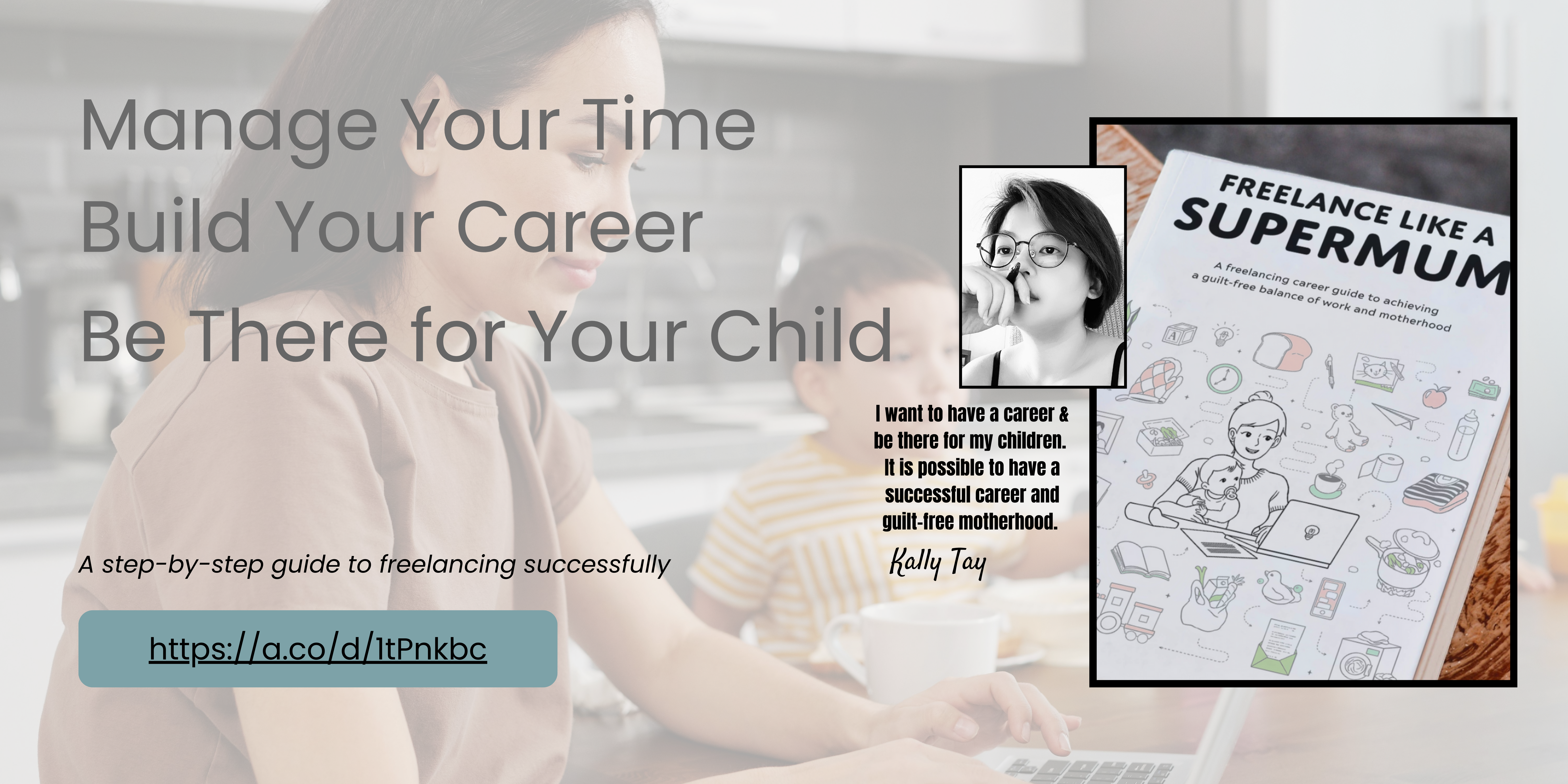
If this article helped at all, imagine what the book can do 😄
Grab my guide to freelancing success on Amazon and help keep the caffeine (and writing) flowing!
 MiddleMe
Thank you so much for this beautiful article. Personally I am really busy at morning and don’t have time to check notifications, sms and others things.
LikeLike