
The modern business landscape is marked by constant change. Markets shift, consumer demands evolve, and global conditions often swing unpredictably between growth and recession. Within this uncertain environment, businesses have learned to adapt by exploring flexible workforce models, and freelancing has emerged as a cornerstone of this shift. No longer seen as peripheral contributors, freelancers are now central players in how organisations navigate opportunities and risks. Their strategic importance, however, manifests differently depending on the state of the economy. In a booming climate, freelancers offer scalability and innovation. In downturns, they provide lean efficiency and risk management. This essay examines the strategic role of freelancers across two contrasting economic conditions, exploring why businesses turn to them during periods of prosperity and scarcity, and why they remain relevant despite external circumstances.

The Nature of a Good Economy
When the economy is thriving, optimism permeates the business world. Companies enjoy higher revenues, expanding customer bases, and a greater willingness to undertake ambitious projects. With capital available, organisations are more likely to invest in marketing campaigns, product launches, and expansion into new markets. The labour market in these times often tightens, as demand for skilled workers rises and competition to attract talent increases. Salaries rise, and businesses compete with benefits and perks to secure the best full-time employees.
In such an environment, freelancers offer a unique advantage. They allow businesses to bypass some of the complexities of full-time recruitment while still accessing high-quality skills. They also become catalysts for innovation, enabling organisations to test new ideas without being tied to long-term financial commitments. A thriving economy, therefore, creates an environment where freelancers not only support growth but accelerate it.
Adding Value in a Good Economy
The expansionary phase of an economy demands speed and adaptability. Businesses often face a flood of opportunities, but opportunities are useless if they cannot be acted upon swiftly. Freelancers bridge this gap. A company preparing for an extensive marketing campaign, for example, may find that its internal team is already stretched thin. Hiring additional full-time staff could take months, not to mention the burden of onboarding and training. A freelancer, however, can be brought on within days, ready to deliver specialised work that aligns with the campaign’s timeline.
Beyond speed, freelancers bring creativity to organisations. Because many work across multiple industries and with diverse clients, they are constantly exposed to new trends, tools, and strategies. This cross-pollination of ideas benefits businesses operating in a buoyant economy, where experimentation is encouraged and differentiation is essential. In times of growth, companies are less concerned with survival and more interested in standing out, and freelancers become partners in that pursuit of originality.
Another critical benefit in good times is scalability. Expanding a team permanently involves a long-term commitment, encompassing everything from salaries and office space to benefits. Freelancers allow businesses to scale operations up or down as needed. A retail business preparing for holiday surges can bring in freelance designers, copywriters, or customer service agents temporarily, then release them after peak demand has passed. This ability to scale without permanence prevents overstaffing once the growth phase stabilises.
The Nature of a Bad Economy
Economic downturns paint a very different picture. During recessions, consumer confidence declines, revenues drop, and businesses face pressure to reduce costs. Hiring freezes become common, and in many industries, layoffs are an unfortunate reality. For organisations, the focus shifts from expansion to survival. Budgets are scrutinised, and efficiency becomes the mantra of the day.
In such times, businesses become risk-averse. Long-term hiring commitments are avoided, capital expenditures are delayed, and managers seek ways to maintain operations with minimal cost. While it may seem counterintuitive, this environment can increase reliance on freelancers. The same factors that make businesses cautious about full-time hiring also make the flexibility of freelancers an appealing option. Instead of burdening themselves with fixed salaries and benefits, organisations can rely on freelance professionals to meet immediate needs, allowing them to maintain momentum without committing to long-term expenses.
How Freelancers Provide Stability in a Bad Economy
When budgets are constrained, every expenditure must justify itself. Freelancers inherently operate on a model that aligns with this principle. They are paid only for the work delivered, making them a variable cost rather than a fixed one. For businesses, this distinction is critical during financial contractions. A full-time employee represents an ongoing obligation, regardless of whether the workload is consistent. A freelancer, on the other hand, can be engaged only when specific tasks arise, offering cost control without sacrificing access to expertise.
Furthermore, freelancers help businesses remain agile in unpredictable markets. In a downturn, projects may start and stop with little warning. A company might initiate a digital transformation effort, only to pause it if funding is reduced or demand weakens. Freelancers adapt well to this start-stop rhythm, allowing organisations to pursue opportunities without being locked into long-term workforce commitments.
There is also a psychological dimension to consider. During recessions, remaining employees often face increased workloads after layoffs or hiring freezes. This can lead to burnout and a decline in morale. By bringing in freelancers, businesses can ease some of that pressure, ensuring that their core employees remain focused and productive. Freelancers effectively absorb fluctuations in demand, shielding permanent staff from being overstretched.

Comparing Good Times and Bad Times
While the value of freelancers differs in good and bad economies, the common thread is flexibility. In good times, that flexibility fuels growth and innovation. In times of hardship, it ensures survival and efficiency. What changes is the emphasis: expansion versus conservation.
In prosperous conditions, businesses leverage freelancers to pursue bold ideas and scale quickly. The focus is on opportunity—how to grow faster, reach new customers, and explore innovative solutions. Freelancers, as accelerators of ambition, inspire businesses to push their limits and reach new heights. In contrast, during downturns, businesses often utilise freelancers as a form of shock absorption. They enable companies to remain lean, manage uncertainty, and continue operating without incurring long-term costs.
Interestingly, freelancers themselves adapt to these cycles. In good economies, they often find higher demand for creative and strategic work. In times of economic downturn, the focus shifts toward operational and cost-saving tasks. This dual adaptability not only ensures that freelancers remain relevant, but also reassures businesses of their reliability, regardless of external conditions.
Why Freelancers Are Essential Across Economic Cycles
The ultimate insight is that freelancers are not merely “backup resources.” Their role is integral to the resilience of modern business. They serve as a bridge between stability and adaptability, offering companies the means to adjust swiftly to changing circumstances.
For businesses, the question is not whether to use freelancers only in certain economic climates, but how to integrate them effectively into workforce planning across all cycles. By recognising the different roles freelancers can play—innovation partners in growth, efficiency partners in decline—companies can build strategies that are resilient in both prosperity and crisis.
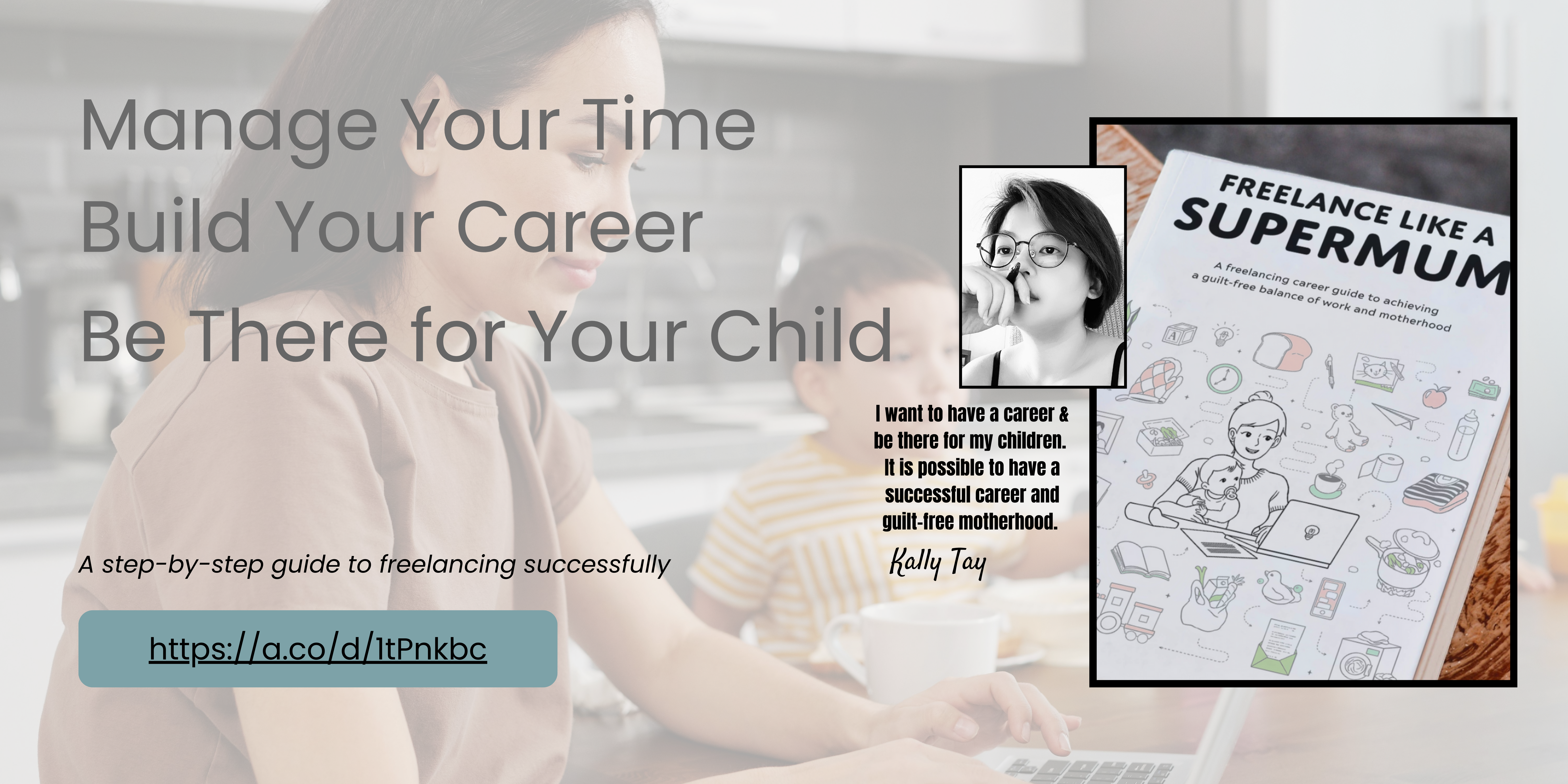
To taste success in freelancing like I did, check out what I have to offer in my guide to your freelancing journey!
 MiddleMe